Online Convert DXF to GPKG: A Complete Guide

This tutorial will guide you through the process of Convert DXF to GPKG format using the Converter Tool in MAPOG. Whether you are new to MAPOG or have prior experience, this step-by-step guide simplifies the conversion, allowing you to easily transform your DXF file into GPKG format with confidence.

What is DXF Data Format:

DXF is short for Drawing Exchange Format or Drawing Interchange Format and is a type of vector file. Engineers, designers and architects often use the DXF format for 2D and 3D drawings during product design. This data format can be used in case of analyzing the maps. It can be of many types like point, line and polygon or any boundaries.

 Online GIS Data Conversion

Converting DXF Data into GPKG Format:

MAPOG features a Converter Tool that enables users to effortlessly change data from one format to another according to their specific requirements. This tool simplifies the data transformation process for a variety of GIS applications, providing both flexibility and efficiency when dealing with multiple formats. For example, using MAPOG’s Converter Tool, DXF data can be transformed into GPKG format. This conversion not only reduces the file size but also retains crucial geographic information, making the data more appropriate for web-based mapping and interactive applications. As a result, workflows are enhanced, and the usability of GIS data is significantly improved.

Steps For Converting DXF to GPKG

First, Step 1: Upload Your Data:
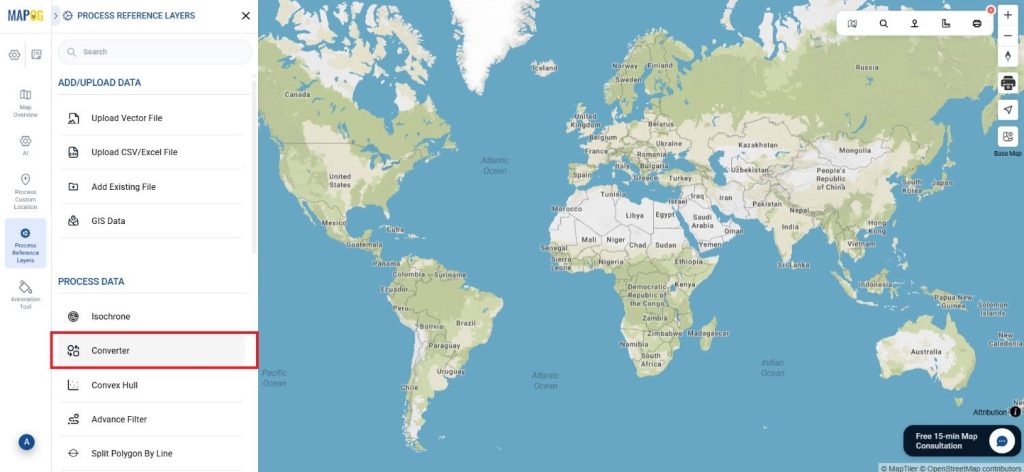
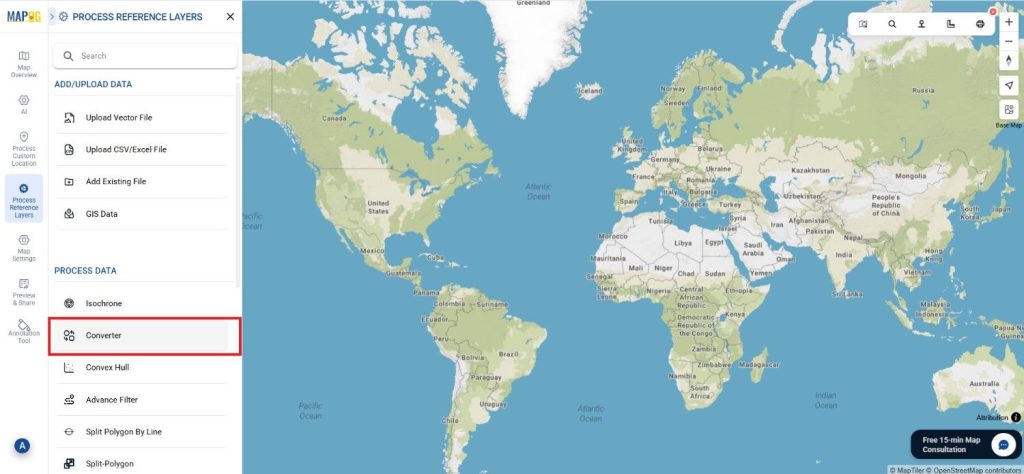
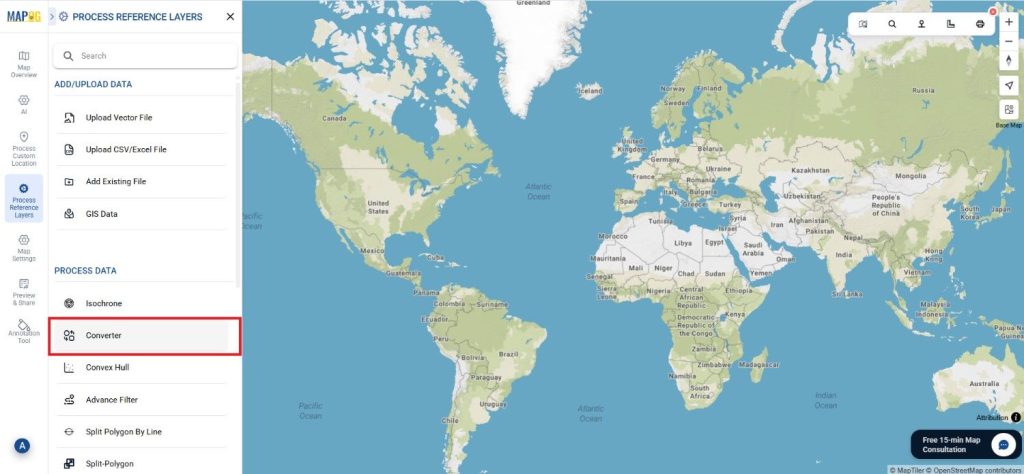
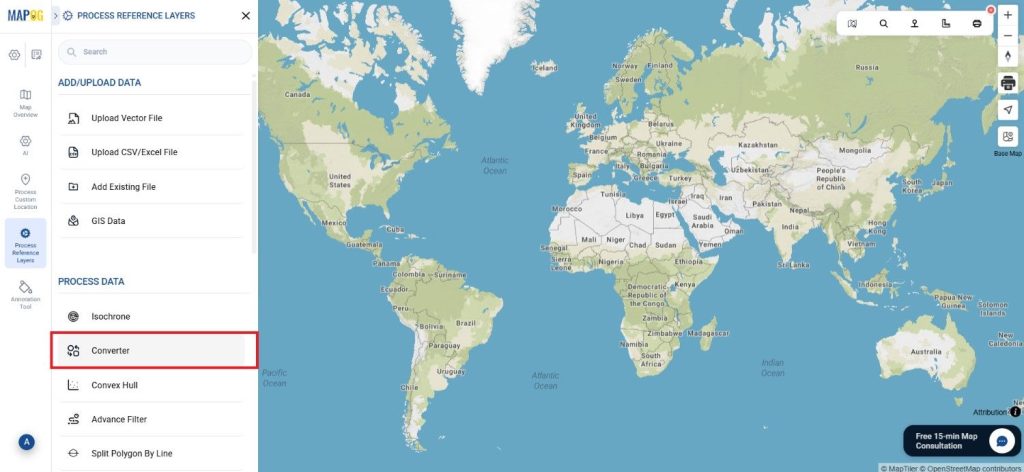
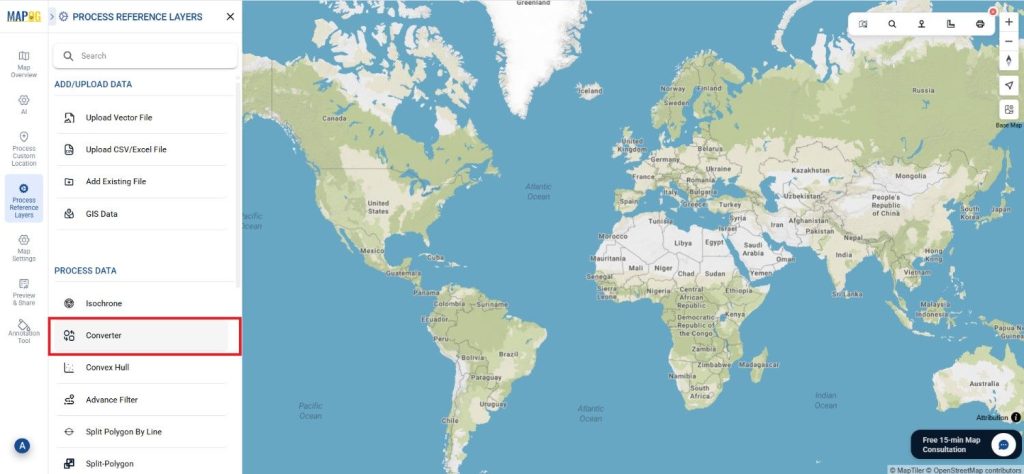
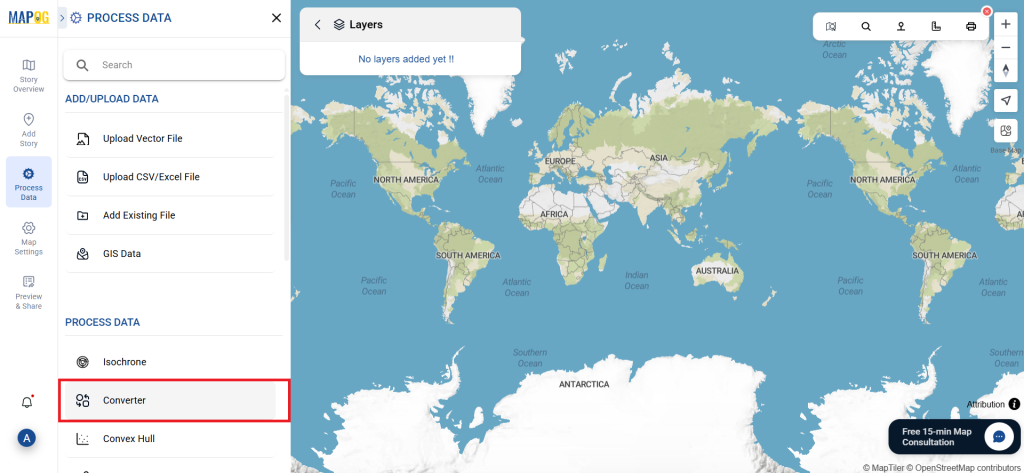
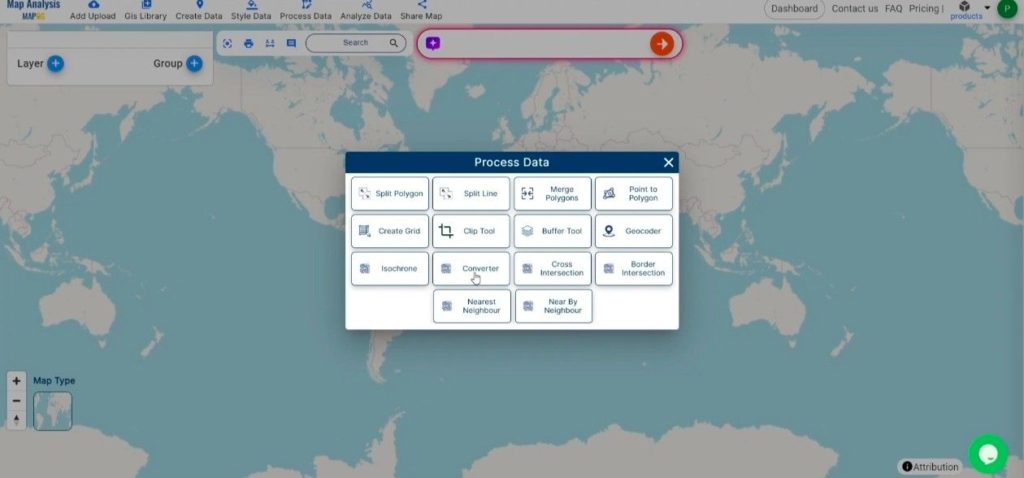
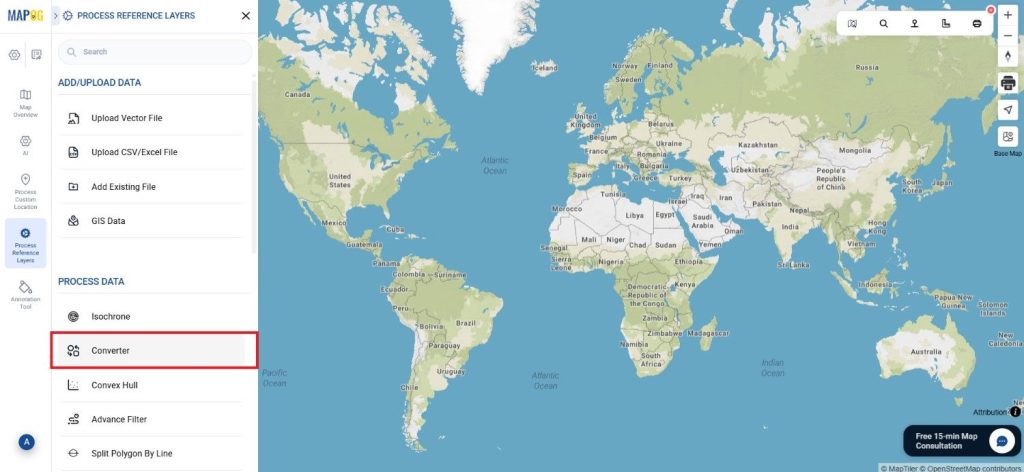
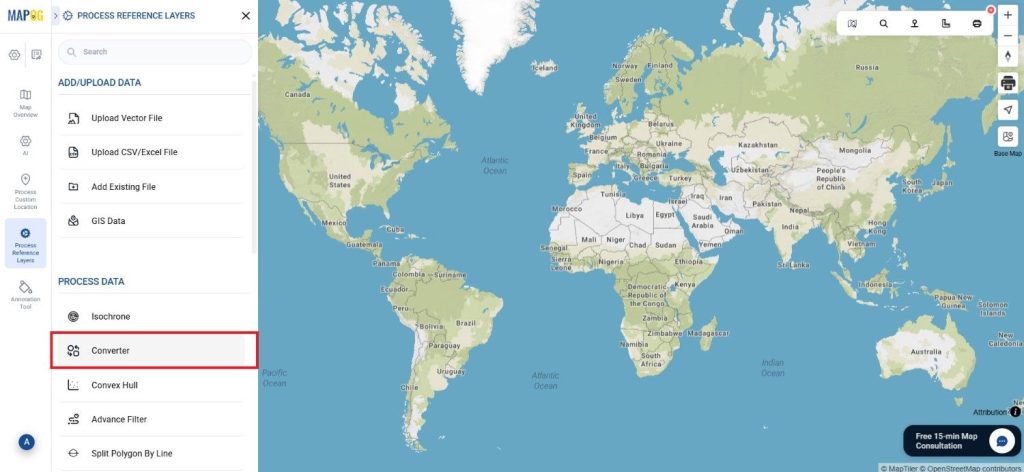
  1. Go to “Process Reference Layers” and choose the “Converter Tool” option.
DXF to GPKG

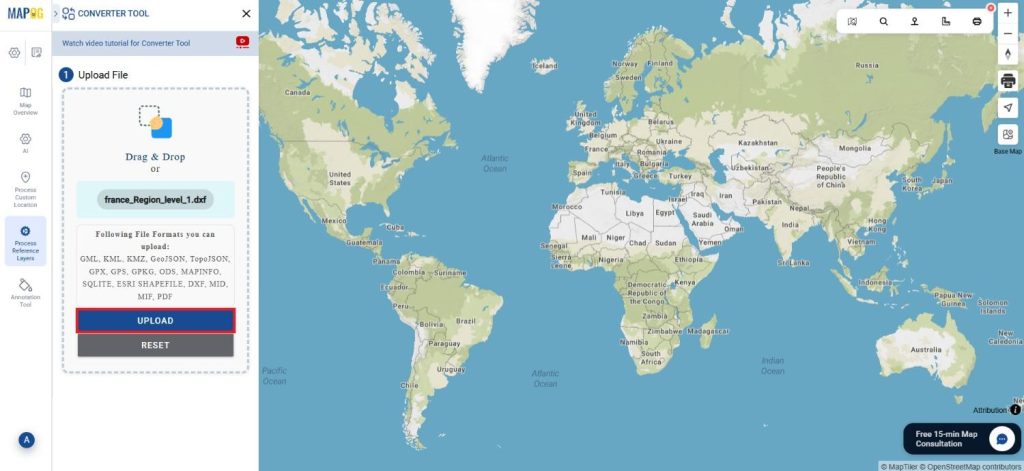
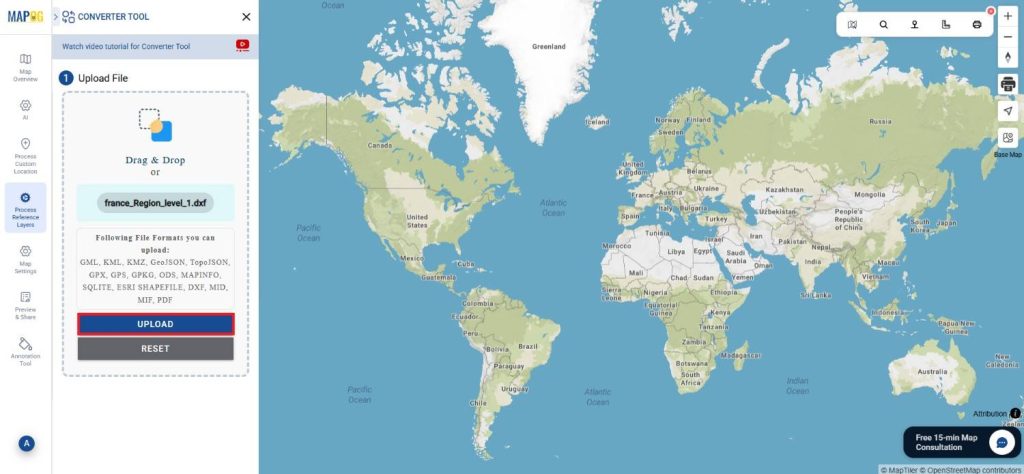
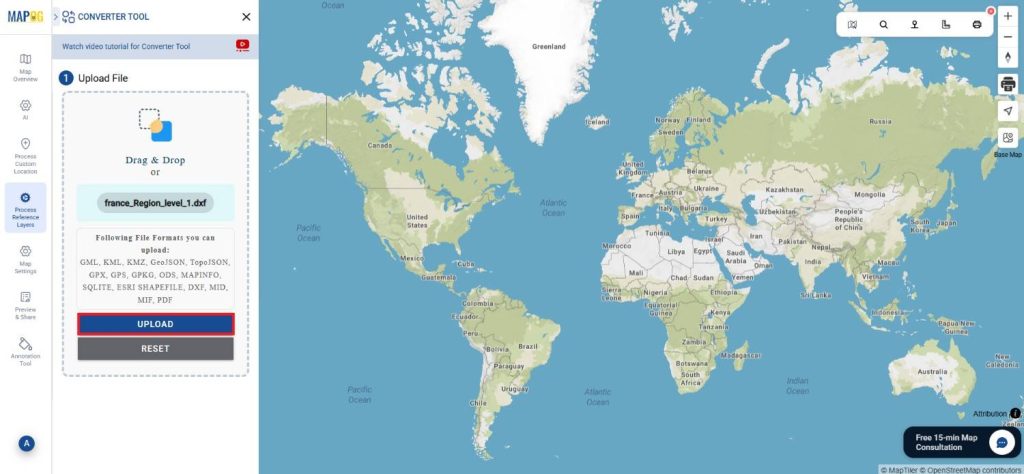
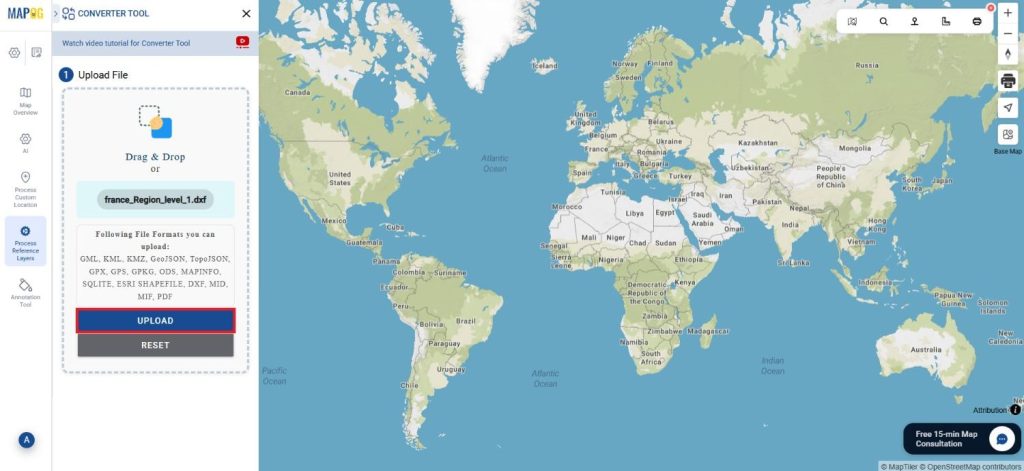
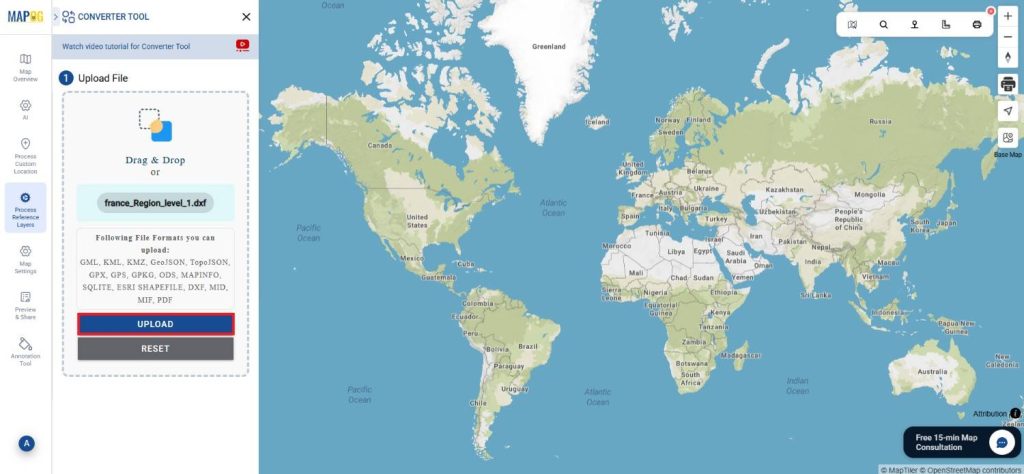
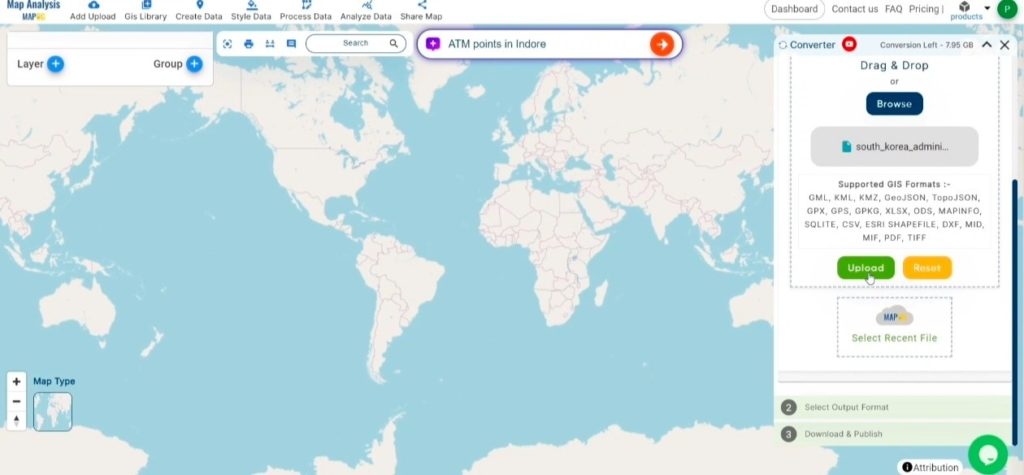
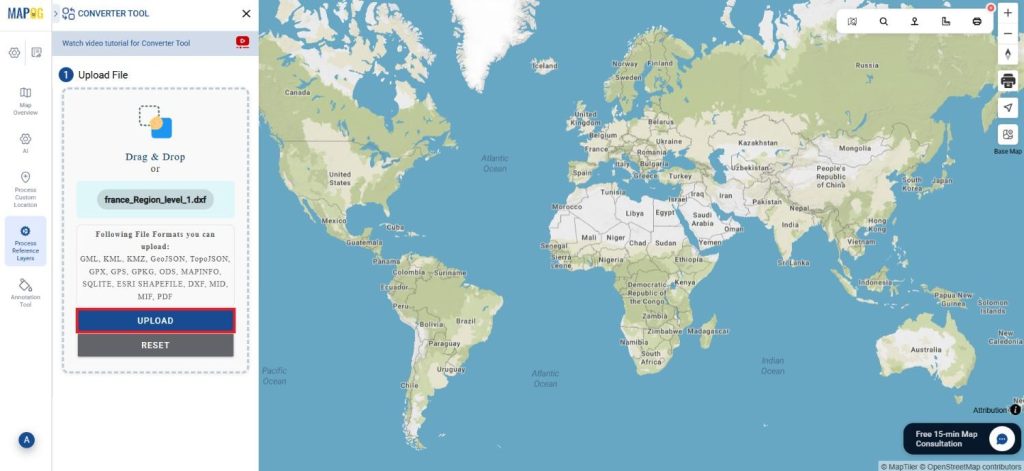
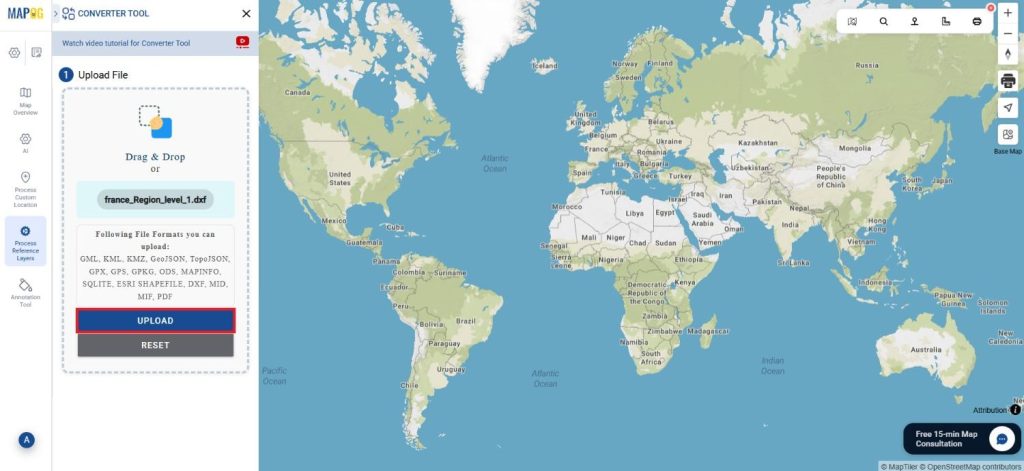
2.Upload your DXF file to start the conversion process by providing the data you wish to transform.
DXF to GPKG
Step 2: Choose the Output Format:
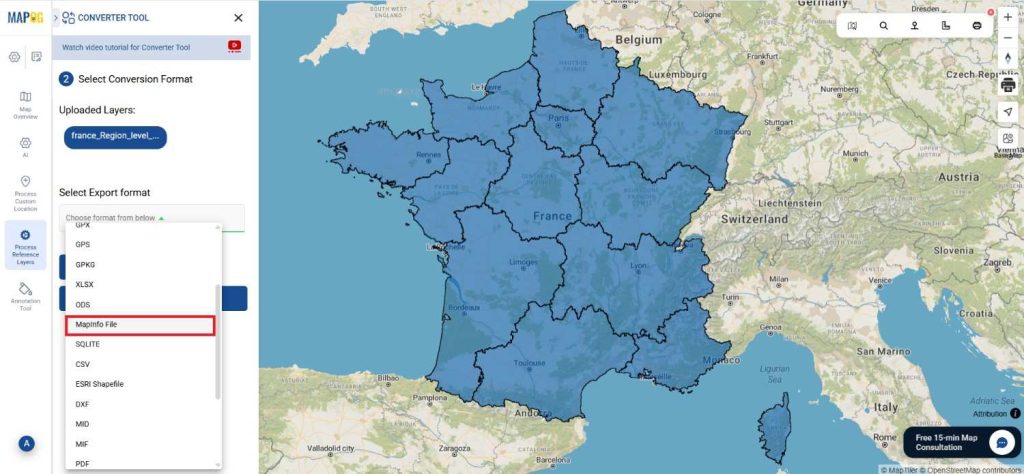
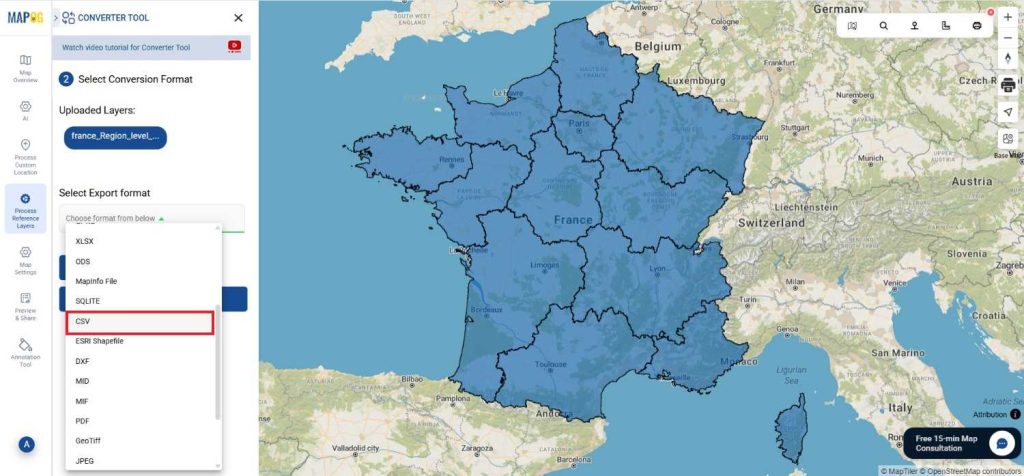
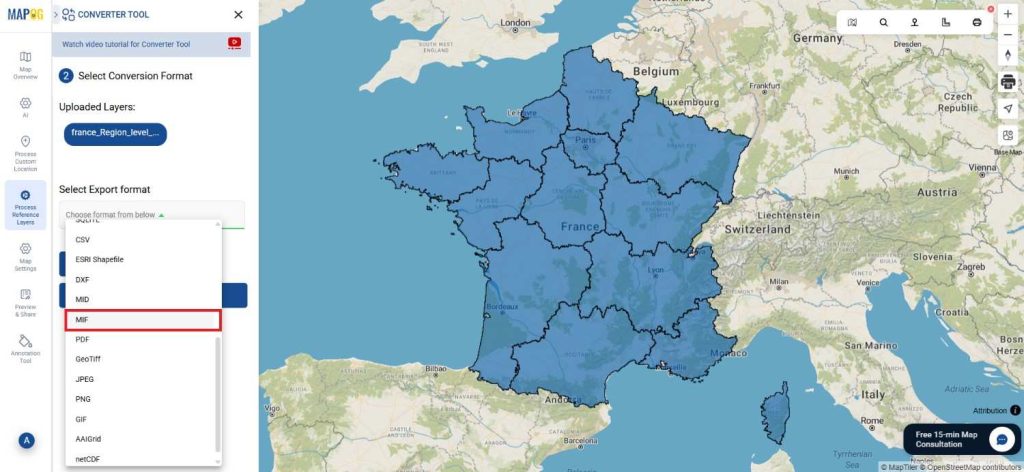
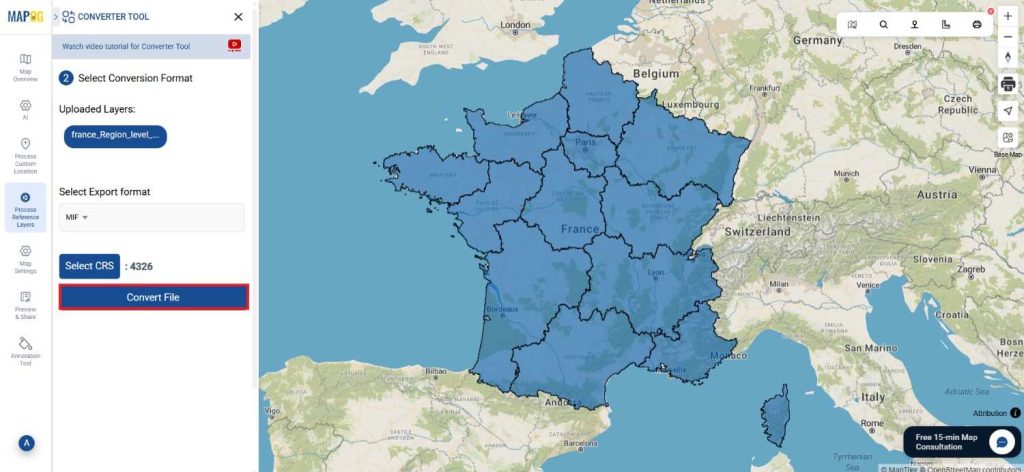
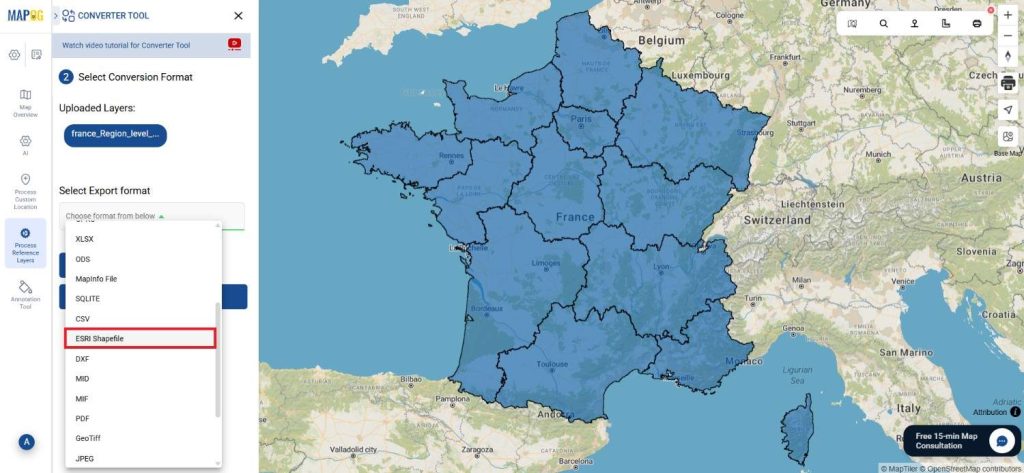
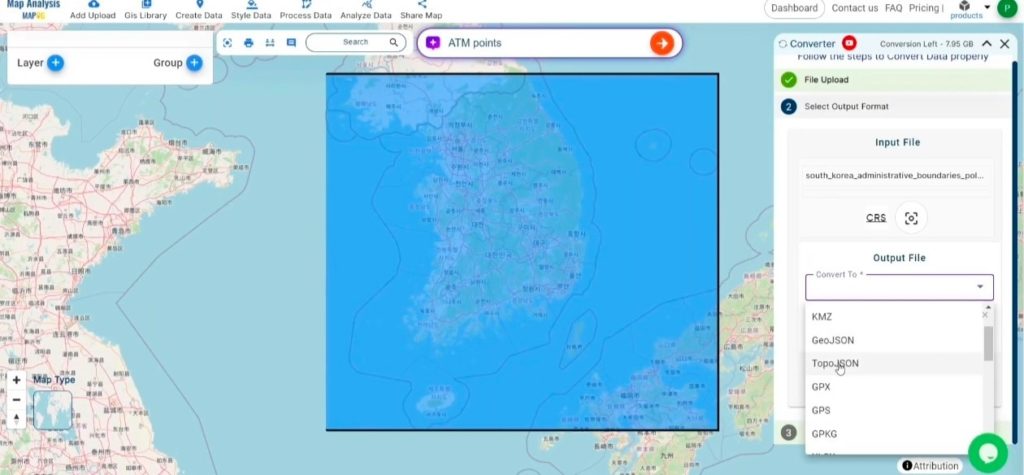
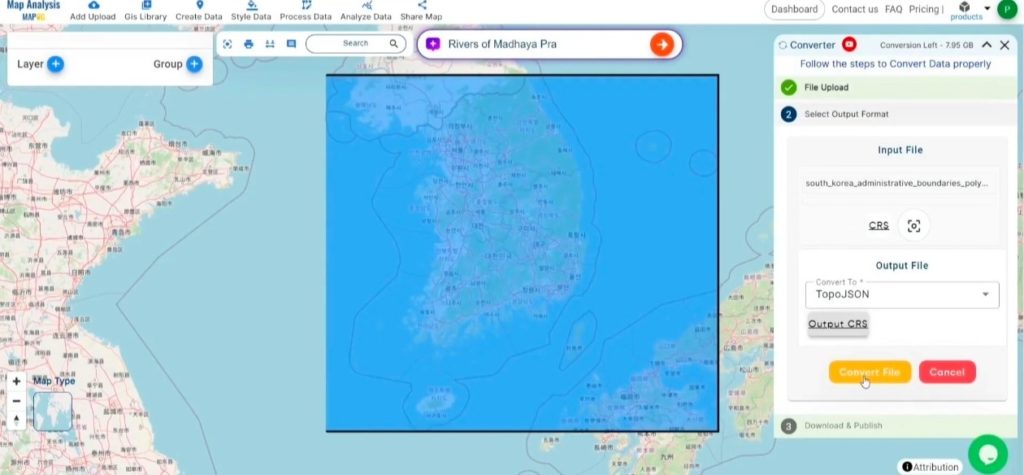
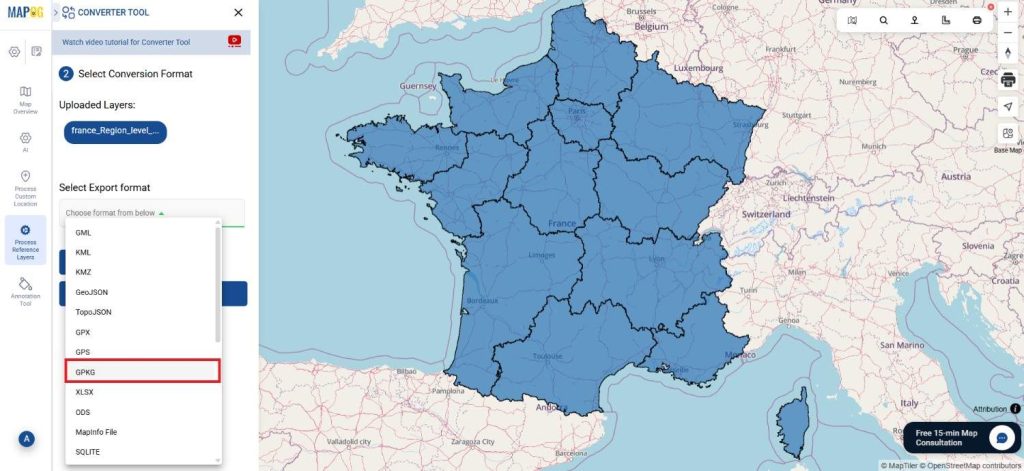
  1. Select GPKG as the output format to export your data. Although the tool offers several format options, this guide focuses specifically on converting your file to GPKG.
DXF to GPKG

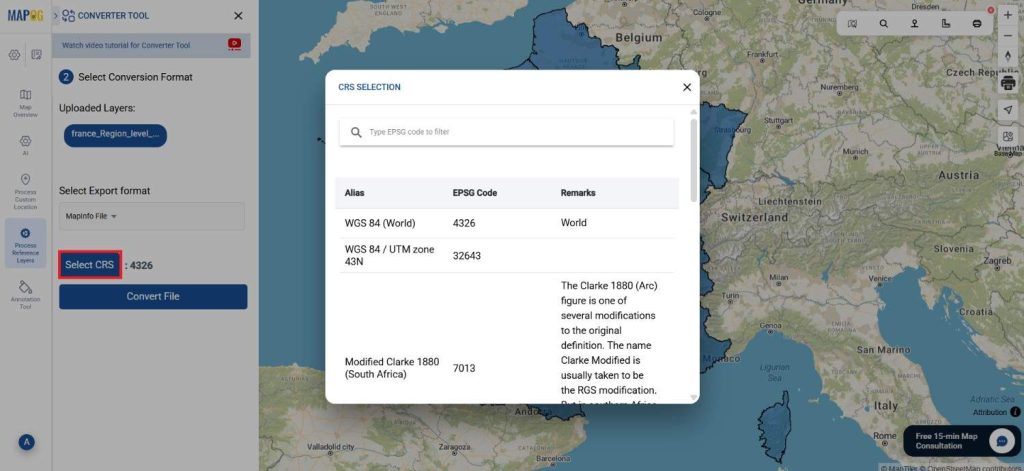
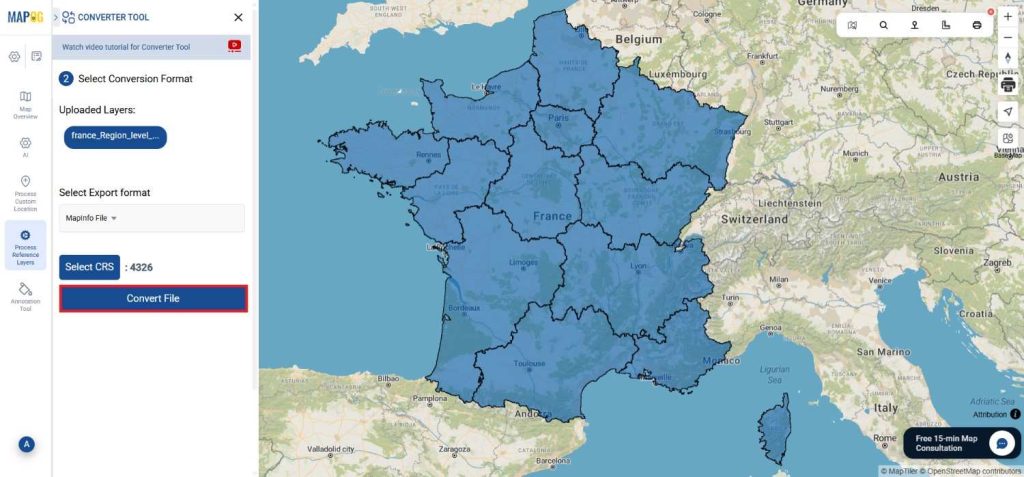
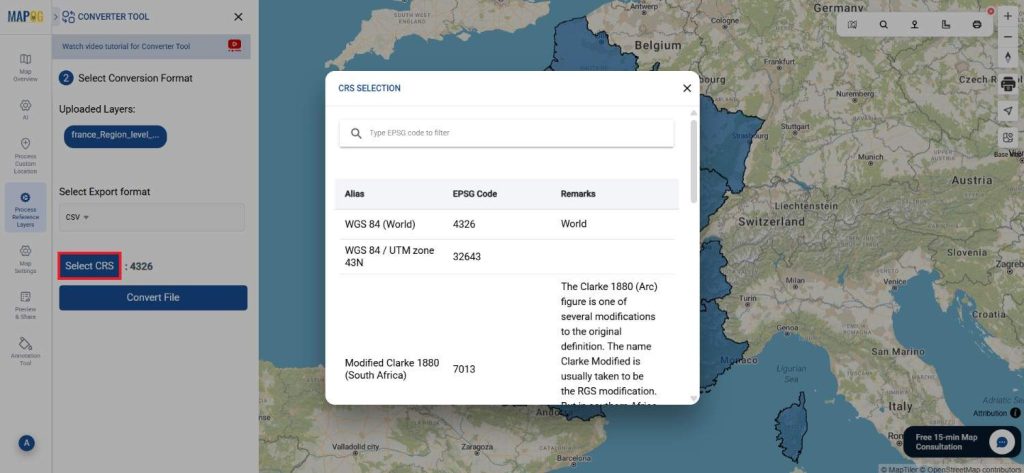
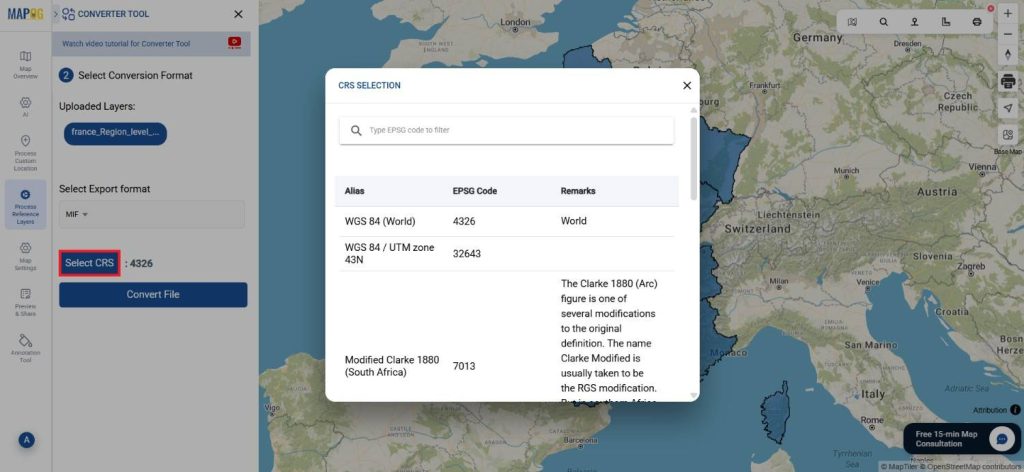
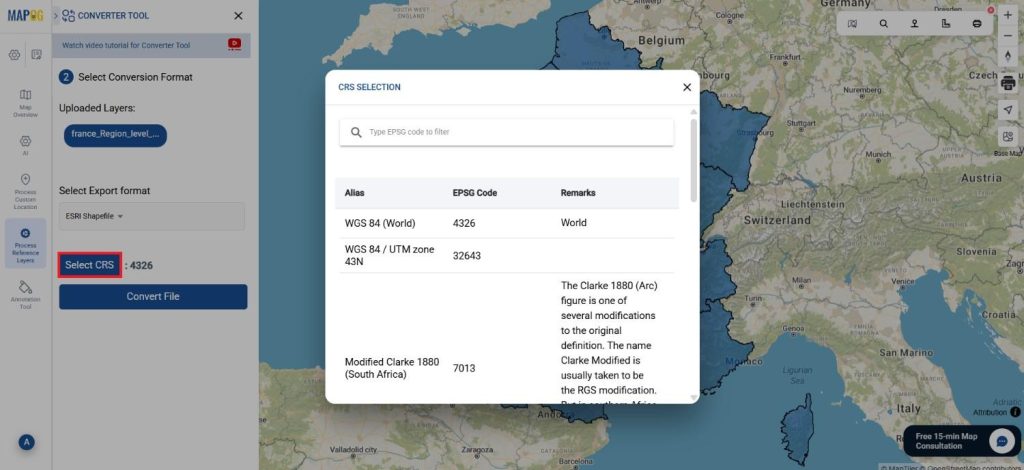
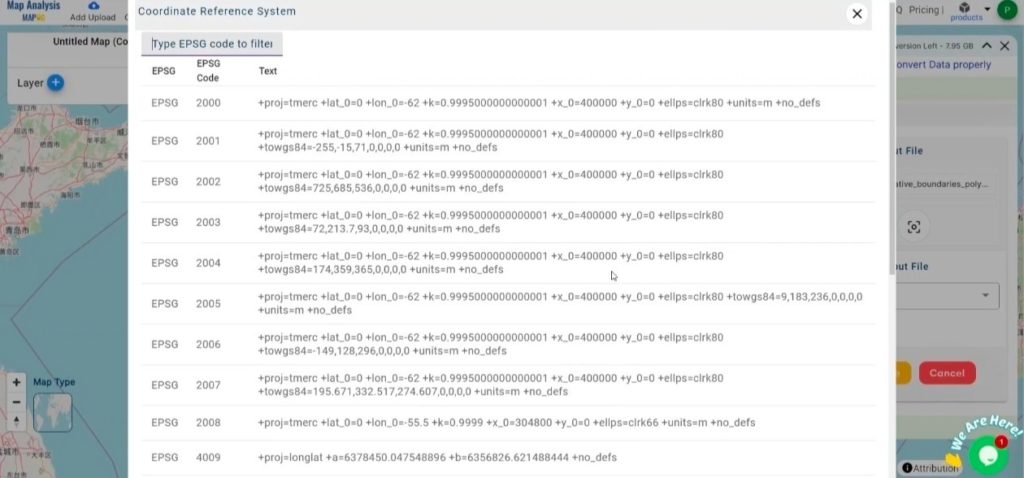
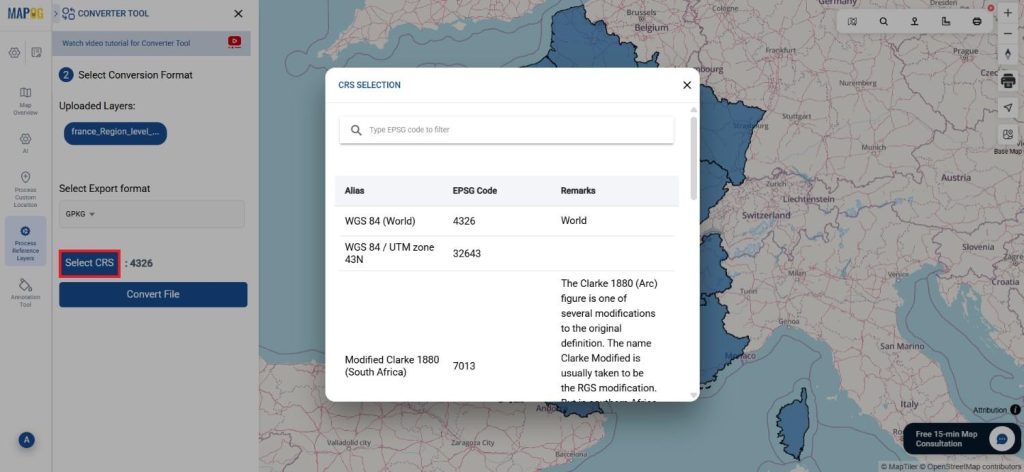
2. You can also set the Output CRS according to your spatial analysis requirements.
DXF to GPKG
Step 3: Execute the Conversion:

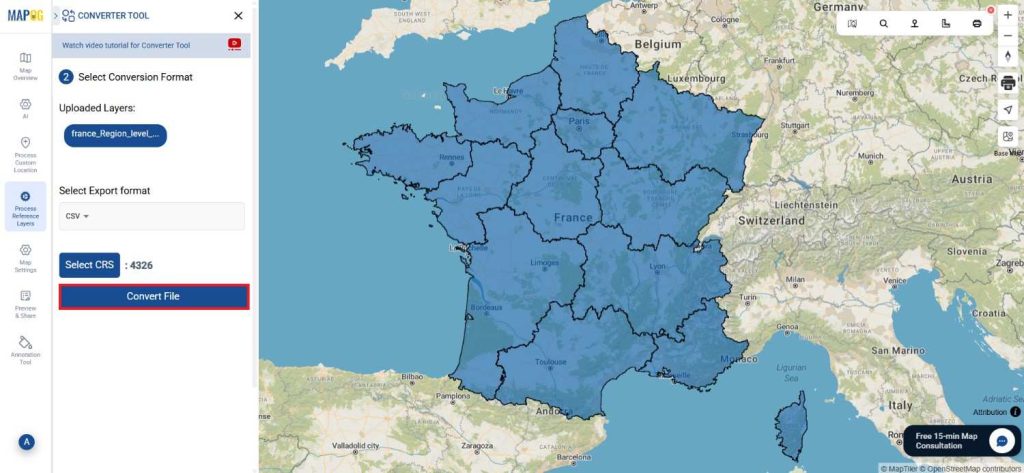
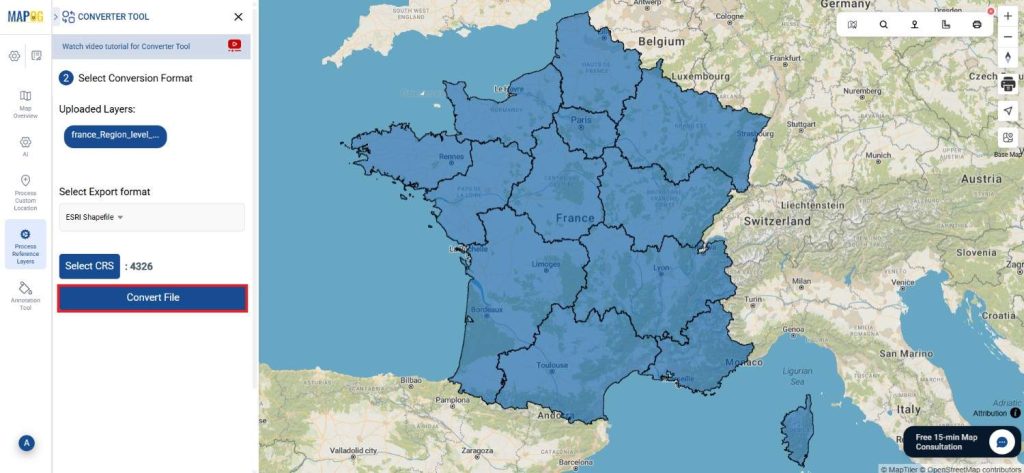
Proceed to ‘Convert Files’ and allow the tool to take care of the conversion. By simply uploading your data, the Converter Tool manages the entire process of converting your DXF file into GPKG format.
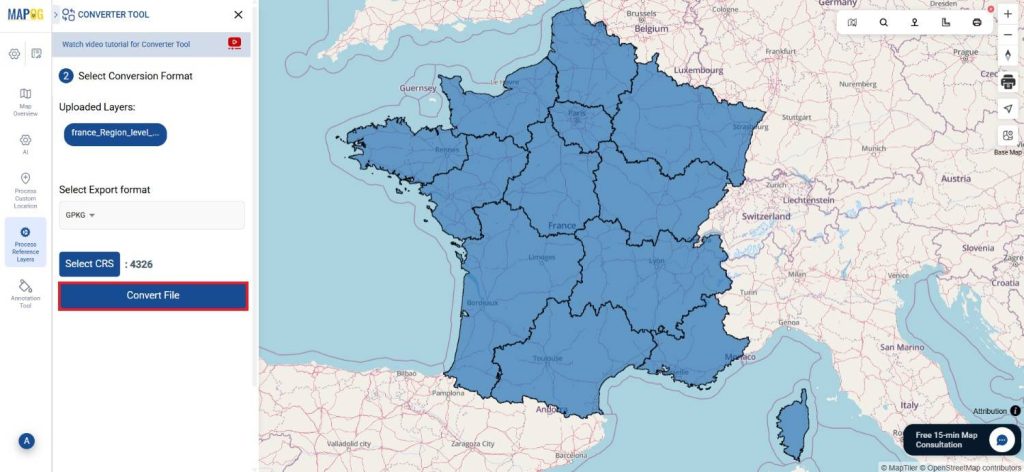
DXF to GPKG
Step 4: Review and Download:

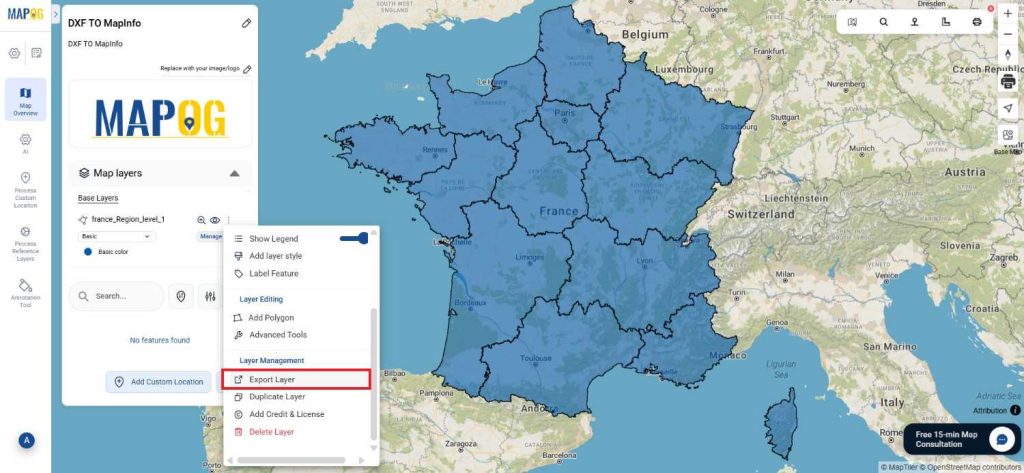
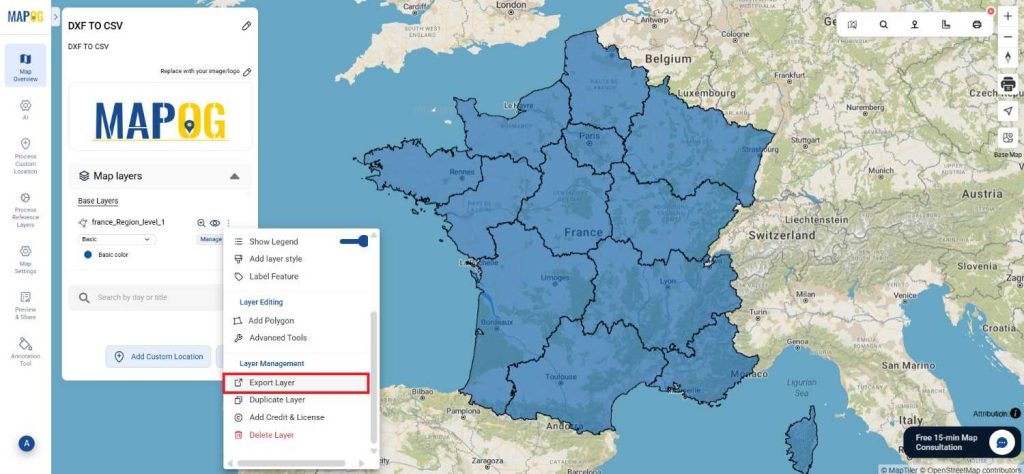
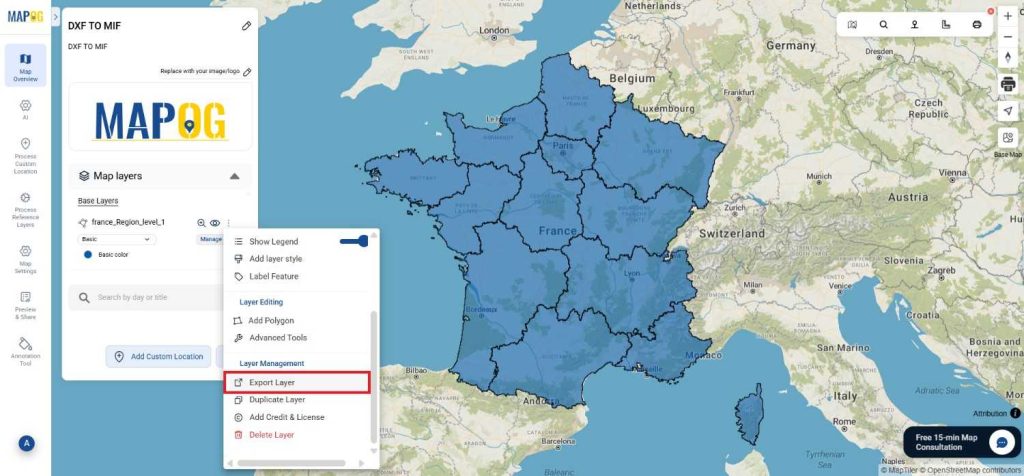
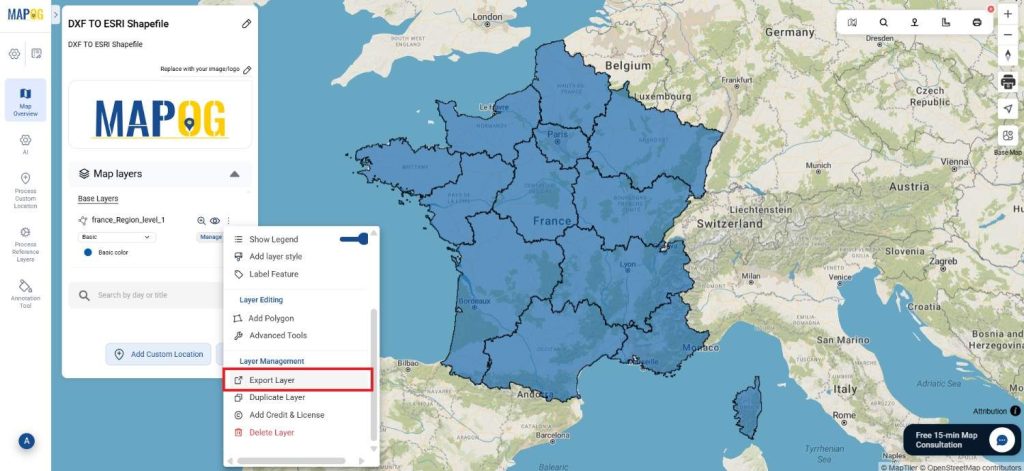
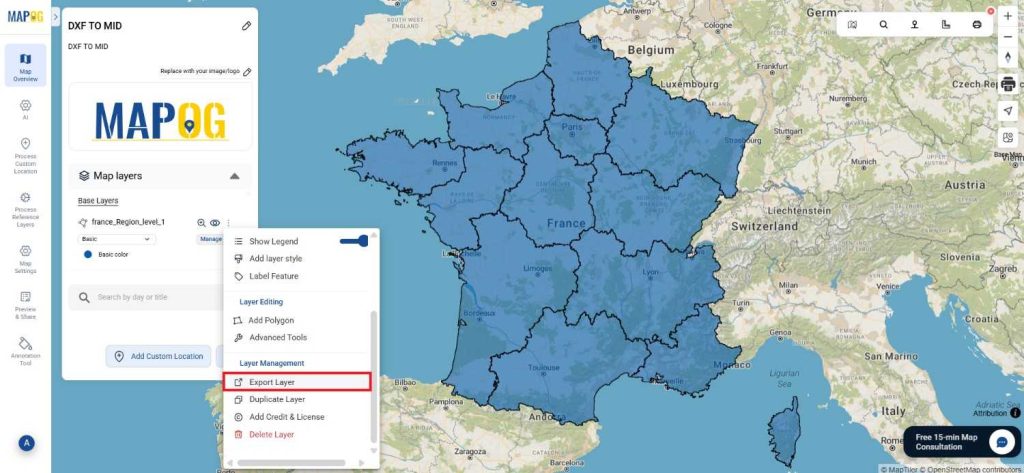
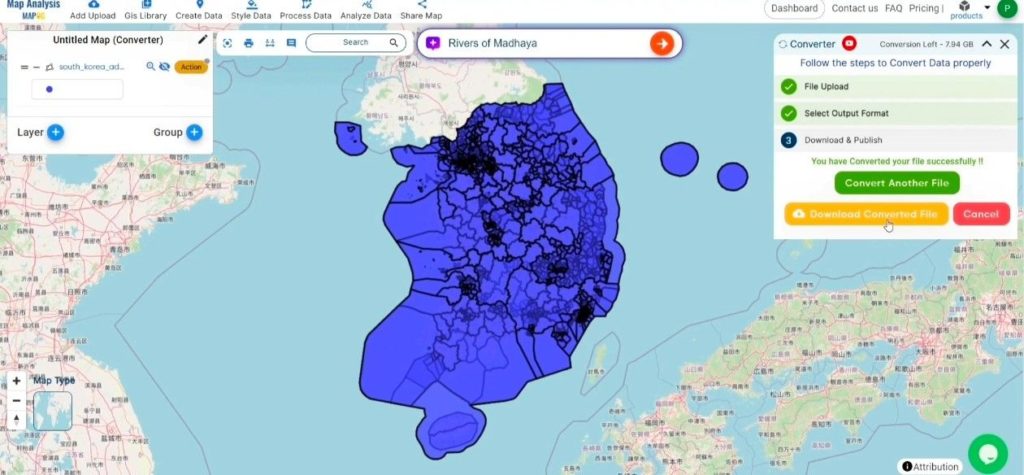
Review your converted GPKG data to verify its accuracy. Once you are satisfied with the results, download the file. This step ensures that the conversion was successful and that your data is correctly preserved.
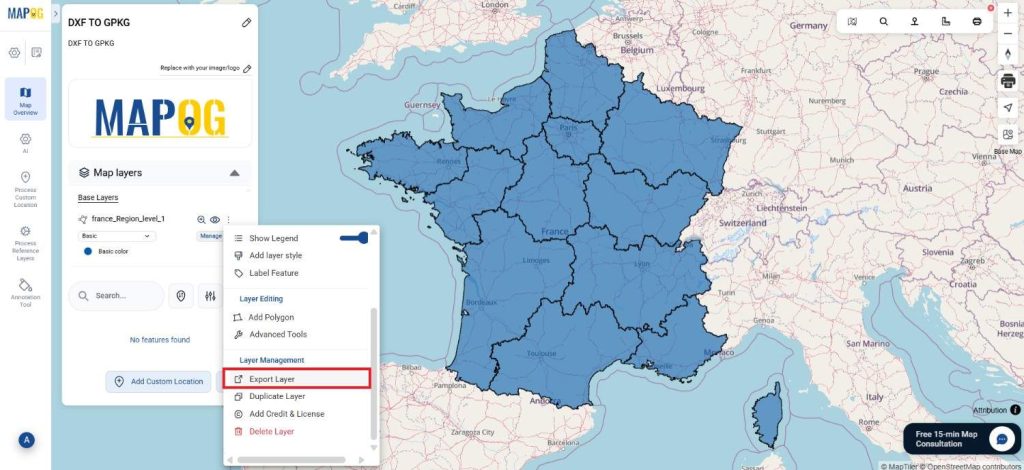
DXF to GPKG

Result:

You’ve successfully converted DXF to GPKG using MAPOG’s straightforward tools. This process not only simplifies your data management but also enhances the versatility of your data across different GIS platforms. For assistance or inquiries, contact us at support@mapog.com. Happy mapping!

With MAPOG’s versatile toolkit, you can effortlessly upload vectors and upload Excel or CSV data, incorporate existing layers, perform polygon splitting, use the converter for various formats, calculate isochrones, and utilize the Export Tool.

Use MAPOG for mapping and visualizing data across all domains. Its tools make analysis easy and accurate. Convert files to get data in the format you need.

Here are some other blogs you might be interested in:

Convert DXF to MapInfo File Online

In this tutorial, we’ll walk you through the process of converting a DXF file to MapInfo File format using the Converter Tool in MAPOG. Whether you’re new to MAPOG or have some experience, this easy-to-follow guide will help you confidently convert your DXF files to JPEG.

What is DXF Data Format:

DXF is short for Drawing Exchange Format or Drawing Interchange Format and is a type of vector file. Engineers, designers and architects often use the DXF format for 2D and 3D drawings during product design. This data format can be used in case of analyzing the maps. It can be of many types like point, line and polygon or any boundaries.

Online GIS Data Conversion 

Converting DXF Data into MapInfo File Format:

MAPOG features a robust Converter Tool that allows users to effortlessly convert data between various formats to suit their needs. This tool streamlines the process of transforming data for different GIS applications, ensuring both flexibility and efficiency when working with multiple formats. For instance, MAPOG’s Converter Tool can convert DXF data into MapInfo File format, reducing file size while preserving important geographic details. This makes the data more compatible with web-based mapping and interactive platforms, ultimately enhancing workflows and significantly improving the usability of GIS data.

Steps For Converting DXF to MapInfo File

Step 1: Upload the Data :
  1. Go to “Process Reference Layers” and choose the “Converter Tool” option.
DXF to MapInfo File

2.Upload your DXF file to start the conversion process by providing the data you wish to transform.

DXF to MapInfo File
Step 2: Choose the Output Format:
  1. Select MapInfo File as the output format to export your data. Although the tool offers several format options, this guide focuses specifically on converting your file to MapInfo File.
DXF to MapInfo File
  1.  You can also set the Output Coordinate Reference System (CRS) according to your spatial analysis requirements.
DXF to MapInfo File
Step 3: Run the Conversion:

Head over to ‘Convert Files’ and let the tool handle the conversion for you. Just upload your data, and the Converter Tool will automatically take care of converting your DXF file into MapInfo File format, making the process seamless and efficient.

DXF to MapInfo File
Step 4: Review and Download:

Review your converted MapInfo File  data to verify its accuracy. Once you are satisfied with the results, download the file. This step ensures that the conversion was successful and that your data is correctly preserved.

DXF to MapInfo File

Result:

You’ve successfully converted DXF to MapInfo File using MAPOG’s straightforward tools. This process not only simplifies your data management but also enhances the versatility of your data across different GIS platforms. For assistance or inquiries, contact us at support@mapog.com. Happy mapping!

With MAPOG’s versatile toolkit, you can effortlessly upload vectors and upload Excel or CSV data, incorporate existing layers, perform polygon splitting, use the converter for various formats, calculate isochrones, and utilize the Export Tool.

Use MAPOG for mapping and visualizing data across all domains. Its tools make analysis easy and accurate. Convert files to get data in the format you need.

Here are some other blogs you might be interested in:

Convert DXF to CSV: A Step-by-Step Guide

This tutorial offers a straightforward walkthrough for converting a DXF file into CSV format using the Converter Tool in MAPOG. Whether you’re new to MAPOG or have some experience, this guide will assist you in seamlessly converting your DXF files to CSV.

What is DXF Data Format:

DXF is short for Drawing Exchange Format or Drawing Interchange Format and is a type of vector file. Engineers, designers and architects often use the DXF format for 2D and 3D drawings during product design. This data format can be used in case of analyzing the maps. It can be of many types like point, line and polygon or any boundaries.

Online GIS Data Conversion

Converting DXF Data into CSV Format:

MAPOG includes an advanced Converter Tool that enables users to easily switch between various data formats to meet their specific needs. This tool simplifies the process of converting data for multiple GIS applications, offering both flexibility and efficiency in handling different formats. For instance, MAPOG’s Converter Tool can convert DXF data into the CSV format, reducing file size while preserving essential geographic details. This makes the data more suitable for web-based mapping and interactive platforms, ultimately enhancing workflows and significantly improving GIS data usability.

Steps to Convert DXF to CSV:

Upload the Data:
  • Navigate to the header menu, click on “Process Reference layers,” and select the “Converter Tool” option to get started.
DXF to CSV
  • To start the conversion, upload your DXF file by selecting the data you want to convert.
DXF to CSV
Select the Output Format:
  • Choose CSV as the preferred output format for exporting your data. While the Converter Tool offers multiple format options, this guide focuses specifically on converting your file to CSV format.
DXF to CSV
  • You can also Choose the Output Coordinate Reference System (CRS) according to your spatial analysis requirement.
DXF to CSV
Run the Conversion:

Go to the ‘Convert Files’ section and let the tool handle the conversion. Simply upload your DXF file, and the Converter Tool will efficiently convert it to CSV format, ensuring a smooth and fast process.

DXF to CSV
Review and Download:

Review your converted CSV file to confirm its accuracy. After ensuring that the conversion is correct and meets your requirements, proceed to download the file. This step is crucial to validate that the conversion was successful and that your data has been accurately preserved.

DXF to CSV

Result:

You’ve successfully converted DXF to CSV using MAPOG’s straightforward tools. This process not only simplifies your data management but also enhances the versatility of your data across different GIS platforms. For assistance or inquiries, contact us at support@mapog.com. Happy mapping!

With MAPOG’s versatile toolkit, you can effortlessly upload vectors and upload Excel or CSV data, incorporate existing layers, perform polygon splitting, use the converter for various formats, calculate isochrones, and utilize the Export Tool.

Use MAPOG for mapping and visualizing data across all domains. Its tools make analysis easy and accurate. Convert files to get data in the format you need.

Here are some other blogs you might be interested in:

Converting DXF to MIF : A Complete Guide

In this tutorial, we’ll guide you through converting a DXF file into MIF format using the Converter Tool in MAPOG. Whether you’re a beginner or have some familiarity with MAPOG, this straightforward guide will assist you in seamlessly transforming your DXF files into  MIF.

What is DXF Data Format:

DXF is short for Drawing Exchange Format or Drawing Interchange Format and is a type of vector file. Engineers, designers and architects often use the DXF format for 2D and 3D drawings during product design. This data format can be used in case of analyzing the maps. It can be of many types like point, line and polygon or any boundaries.

Online GIS Data Conversion

Converting DXF Data into MIF Format:

MAPOG includes an advanced Converter Tool that enables users to easily switch between various data formats to meet their specific needs. This tool simplifies the process of converting data for multiple GIS applications, offering both flexibility and efficiency in handling different formats. For instance, MAPOG’s Converter Tool can convert DXF data into the MIF format, reducing file size while preserving essential geographic details. This makes the data more suitable for web-based mapping and interactive platforms, ultimately enhancing workflows and significantly improving GIS data usability.

Steps to Convert DXF to MIF:

Step 1: Upload the Data :
  1. Go to “Process Reference Layers”  from the header and choose the “Converter Tool” option.
DXF to MIF

2.Upload your DXF file to start the conversion process by providing the data you wish to transform.

DXF to MIF
Step 2: Select the Output Format:

1.Choose MIF as your desired output format for exporting the data. While the tool provides multiple format options, this tutorial is specifically centered on converting your file into the MIF format.

DXF to MIF

2. You can also set the Output Coordinate Reference System (CRS) according to your spatial analysis requirements.

DXF to MIF
Step 3: Execute the Conversion:

Head over to ‘Convert Files’ and let the tool handle the conversion for you. Just upload your data, and the Converter Tool will automatically take care of converting your DXF file into MIF  format, making the process seamless and efficient.

DXF to MIF
Step 4: Verify and Download:

Inspect your converted MIF  data to confirm its correctness. After ensuring the results meet your expectations, proceed to download the file. This step is crucial to validate that the conversion was completed successfully and that your data integrity is maintained.

DXF to MIF

Result:

You’ve successfully converted DXF to MIF using MAPOG’s straightforward tools. This process not only simplifies your data management but also enhances the versatility of your data across different GIS platforms. For assistance or inquiries, contact us at support@mapog.com. Happy mapping!

With MAPOG’s versatile toolkit, you can effortlessly upload vectors and upload Excel or CSV data, incorporate existing layers, perform polygon splitting, use the converter for various formats, calculate isochrones, and utilize the Export Tool.

Use MAPOG for mapping and visualizing data across all domains. Its tools make analysis easy and accurate. Convert files to get data in the format you need.

Here are some other blogs you might be interested in:

Convert DXF to SQLITE: A Complete Guide

In this tutorial, we’ll guide you through Convert DXF to SQLITE using the Converter Tool in MAPOG. Whether you’re a beginner or have some familiarity with MAPOG, this straightforward guide will assist you in seamlessly transforming your DXF files into SQLITE.

What is DXF Data Format:

DXF is short for Drawing Exchange Format or Drawing Interchange Format and is a type of vector file. Engineers, designers and architects often use the DXF format for 2D and 3D drawings during product design. This data format can be used in case of analyzing the maps. It can be of many types like point, line and polygon or any boundaries.

 Online GIS Data Conversion

Converting DXF Data into SQLITE Format:

MAPOG offers a powerful Converter Tool designed to help users easily convert data between different formats based on their requirements. This tool simplifies data transformation for various GIS applications, providing both flexibility and efficiency in handling diverse formats. For example, MAPOG’s Converter Tool can transform DXF data into SQLITE format, optimizing file size while retaining critical geographic details. This conversion makes the data more suitable for online mapping and interactive platforms, improving workflows and greatly enhancing the overall usability of GIS data.

Steps to Convert DXF to SQLITE:

Step 1: Upload the Data :
  1. Go to “Process Reference layers”  from the header and choose the “Converter Tool” option.
DXF to SQLITE

2. Upload your DXF file to start the conversion process by providing the data you wish to transform.

DXF to SQLITE
Step 2: Select the Output Format:

Choose SQLITE as your desired output format for exporting the data. While the tool provides multiple format options, this tutorial is specifically centered on converting your file into the SQLITE format.

DXF to SQLITE

2. You can also set the Output Coordinate Reference System (CRS) according to your spatial analysis requirements.

DXF to SQLITE
Step 3: Execute the conversion:

Head over to ‘Convert Files’ and let the tool handle the conversion for you. Just upload your data, and the Converter Tool will automatically take care of converting your DXF file into SQLITE format, making the process seamless and efficient.

DXF to SQLITE
Step 4: Verify and Download:

Inspect your converted SQLITE data to confirm its correctness. After ensuring the results meet your expectations, proceed to download the file. This step is crucial to validate that the conversion was completed successfully and that your data integrity is maintained.

DXF to SQLITE

Result:

You’ve successfully converted DXF to SQLITE using MAPOG’s straightforward tools. This process not only simplifies your data management but also enhances the versatility of your data across different GIS platforms. For assistance or inquiries, contact us at support@mapog.com. Happy mapping!

With MAPOG’s versatile toolkit, you can effortlessly upload vectors and upload Excel or CSV data, incorporate existing layers, perform polygon splitting, use the converter for various formats, calculate isochrones, and utilize the Export Tool.

Use MAPOG for mapping and visualizing data across all domains. Its tools make analysis easy and accurate. Convert files to get data in the format you need.

Here are some other blogs you might be interested in:

Convert DXF to ESRI Shapefile Easily (Step-by-Step Guide)

This guide will walk you through the process of converting a DXF file into an ESRI Shapefile format using the Converter Tool in MAPOG. Whether you’re new to MAPOG or have some experience, this straightforward tutorial will help you efficiently transform your DXF files into ESRI Shapefiles.

What is DXF Data Format:

DXF is short for Drawing Exchange Format or Drawing Interchange Format and is a type of vector file. Engineers, designers and architects often use the DXF format for 2D and 3D drawings during product design. This data format can be used in case of analyzing the maps. It can be of many types like point, line and polygon or any boundaries.

 Online GIS Data Conversion

Converting DXF Data into ESRI Shapefile Format:

MAPOG includes an advanced Converter Tool that enables users to easily switch between various data formats to meet their specific needs. This tool simplifies the process of converting data for multiple GIS applications, offering both flexibility and efficiency in handling different formats. For instance, MAPOG’s Converter Tool can convert DXF data into the ESRI Shapefile format, reducing file size while preserving essential geographic details. This makes the data more suitable for web-based mapping and interactive platforms, ultimately enhancing workflows and significantly improving GIS data usability.

Steps to Convert DXF to ESRI Shapefile:

Step 1: Upload the Data :
  1. Go to “Process Reference layers”  from the header and choose the “Converter Tool” option.
DXF to ESRI Shapefile

2. Upload your DXF file to start the conversion process by providing the data you wish to transform.

DXF to ESRI Shapefile
Step 2: Choose Your Output Format:

Select ESRI Shapefile as the output format for exporting your data. Although the Converter Tool offers a variety of format options, this guide focuses specifically on converting your file to the ESRI Shapefile format.

DXF to ESRI Shapefile

2. You can also set the Output Coordinate Reference System (CRS) according to your spatial analysis requirements.

DXF to ESRI Shapefile
Step 3: Execute the Conversion:

Navigate to the ‘Convert Files’ section and let the tool do the work for you. Simply upload your data, and the Converter Tool will automatically convert your DXF file into the ESRI Shapefile format, ensuring a smooth and efficient process.

DXF to ESRI Shapefile
Step 4: Review and Download:

Examine your converted ESRI Shapefile to verify its accuracy. Once you’ve confirmed that the conversion results are correct and meet your requirements, download the file. This step is essential to ensure that the conversion was successful and your data integrity remains intact.

DXF to ESRI Shapefile

Result:

You’ve successfully converted DXF to ESRI Shapefile using MAPOG’s straightforward tools. This process not only simplifies your data management but also enhances the versatility of your data across different GIS platforms. For assistance or inquiries, contact us at support@mapog.com. Happy mapping!

With MAPOG’s versatile toolkit, you can effortlessly upload vectors and upload Excel or CSV data, incorporate existing layers, perform polygon splitting, use the converter for various formats, calculate isochrones, and utilize the Export Tool.

Use MAPOG for mapping and visualizing data across all domains. Its tools make analysis easy and accurate. Convert files to get data in the format you need.

Here are some other blogs you might be interested in:

Convert DXF to MID: A Complete Guide

In this tutorial, we’ll guide you through convert a DXF file into MID format using the Converter Tool in MAPOG. Whether you’re a beginner or have some familiarity with MAPOG, this straightforward guide will assist you in seamlessly transforming your DXF files into  MID.

What is DXF Data Format:

DXF is short for Drawing Exchange Format or Drawing Interchange Format and is a type of vector file. Engineers, designers and architects often use the DXF format for 2D and 3D drawings during product design. This data format can be used in case of analyzing the maps. It can be of many types like point, line and polygon or any boundaries.

Online GIS Data Conversion

Converting DXF Data into MID Format:

MAPOG’s includes an advanced Converter Tool that enables users to easily switch between various data formats to meet their specific needs. This tool simplifies the process of converting data for multiple GIS applications, offering both flexibility and efficiency in handling different formats. For instance, MAPOG’s Converter Tool can convert DXF data into the MID format, reducing file size while preserving essential geographic details. This makes the data more suitable for web-based mapping and interactive platforms, ultimately enhancing workflows and significantly improving GIS data usability.

Steps to Convert DXF to MID:

Step 1: Upload the Data :
  1. Go to “Process Reference layers”  from the header and choose the “Converter Tool” option.

2. Upload your DXF file to start the conversion process by providing the data you wish to transform.

Step 2: Select the Output Format:

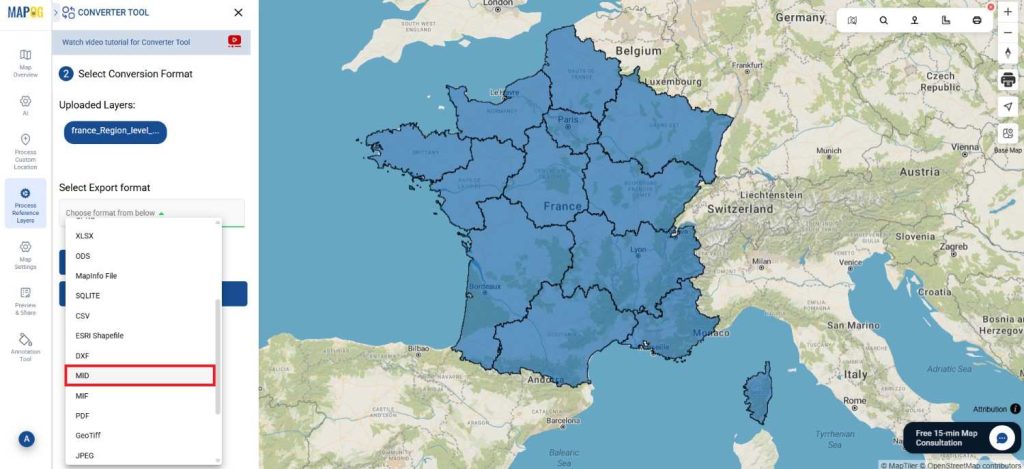
1.Choose MID as your desired output format for exporting the data. While the tool provides multiple format options, this tutorial is specifically centered on converting your file into the MID format.

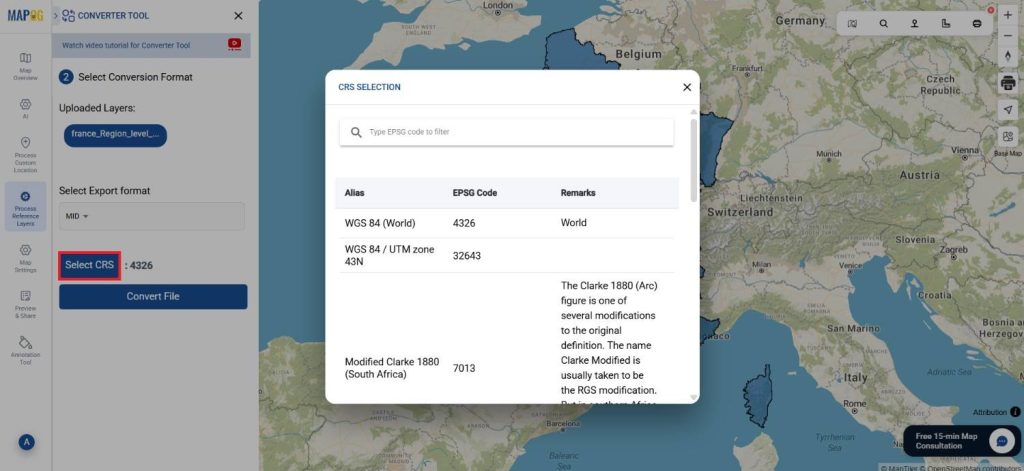
2. You can also set the Output Coordinate Reference System (CRS) according to your spatial analysis requirements.

Step 3: Execute the Conversion:

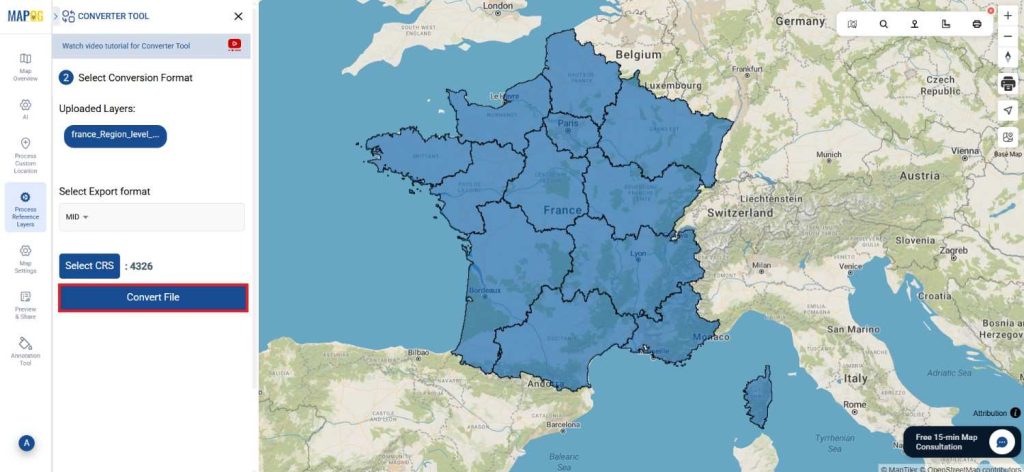
Head over to ‘Convert Files’ and let the tool handle the conversion for you. Just upload your data, and the Converter Tool will automatically take care of converting your DXF file into MID  format, making the process seamless and efficient.

Step 4: Verify and Download:

Inspect your converted MID  data to confirm its correctness. After ensuring the results meet your expectations, proceed to export the file. This step is crucial to validate that the conversion was completed successfully and that your data integrity is maintained.

Result:

You’ve successfully converted DXF to MID using MAPOG’s straightforward tools. This process not only simplifies your data management but also enhances the versatility of your data across different GIS platforms. For assistance or inquiries, contact us at support@mapog.com. Happy mapping!

With MAPOG’s versatile toolkit, you can effortlessly upload vectors and upload Excel or CSV data, incorporate existing layers, perform polygon splitting, use the converter for various formats, calculate isochrones, and utilize the Export Tool.

Use MAPOG for mapping and visualizing data across all domains. Its tools make analysis easy and accurate. Convert files to get data in the format you need.

Here are some other blogs you might be interested in:

Convert SQLITE to DXF: A Step-by-Step Guide

This tutorial provides a clear and detailed walkthrough for converting a SQLITE file into DXF format using the Converter Tool in MAPOG. Whether you’re a beginner or have some experience with MAPOG, this guide will help you smoothly convert your SQLITE files to DXF.

What is SQLITE Data Format:

A file with .sqlite extension is a lightweight SQL database file created with the SQLITE software. It is a database in a file itself and implements a self-contained, full-featured, highly-reliable SQL database engine. SQLITE database files can be used to share rich contents between systems by simple exchanging these files over the network. Almost all mobiles and computers use SQLITE for storing and sharing of data, and is the choice of file format for cross-platform applications. Due to its compact use and easy usability, it comes bundled inside other applications. SQLITE bindings exist for programming languages such as C, C#, C++, Java, PHP, and many others.

Online GIS Data Conversion

Converting SQLITE Data into DXF Format:

Converter Tool in MAPOG enables users to seamlessly convert data between different formats based on their specific needs. This tool simplifies the data transformation process for a variety of GIS applications, ensuring both flexibility and efficiency when working with multiple file types. For instance, MAPOG’s Converter Tool can convert SQLITE data into DXF format, reducing file size while preserving essential geographic information. This conversion improves the data’s compatibility with online mapping and interactive platforms, ultimately enhancing workflows and significantly increasing GIS data usability.

                      Steps to Convert SQLITE to DXF:

Step 1: Upload the Data:

Navigate to the header menu, click on “Process Data,” and then choose the “Converter Tool” option to begin.

SQLITE to DXF

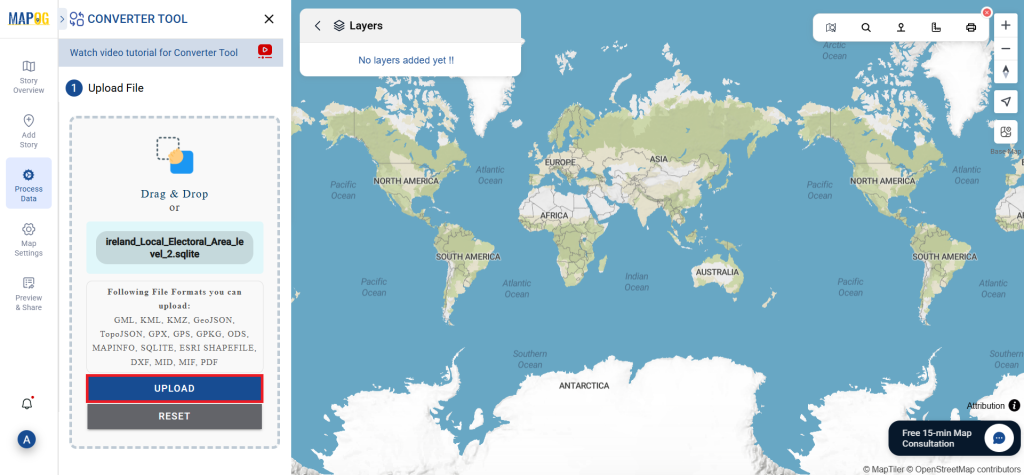
2.To start the conversion, upload your SQLITE file by selecting the data you want to convert.

SQLITE to DXF
Step 2: Choose the Output Format

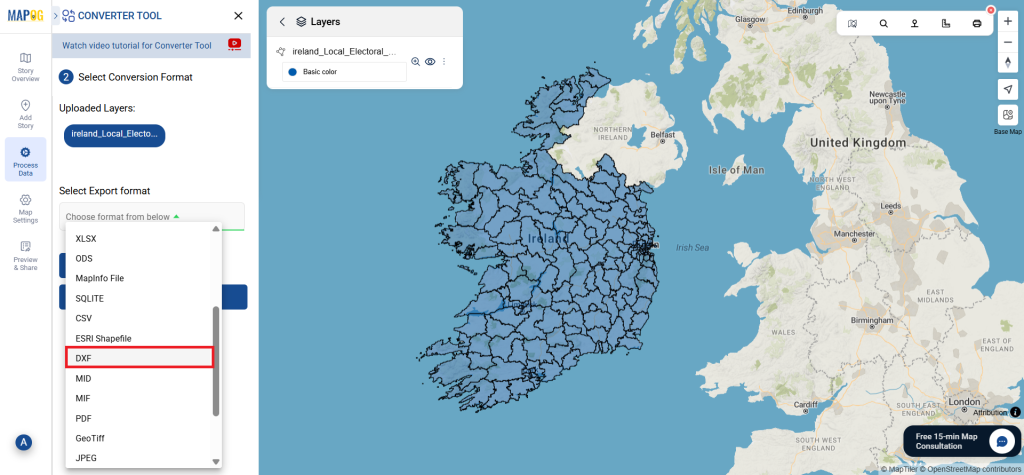
1.Set DXF as the desired output format for your data export. While the Converter Tool provides various format options, this guide is specifically dedicated to converting your file into the DXF format.

SQLITE to DXF

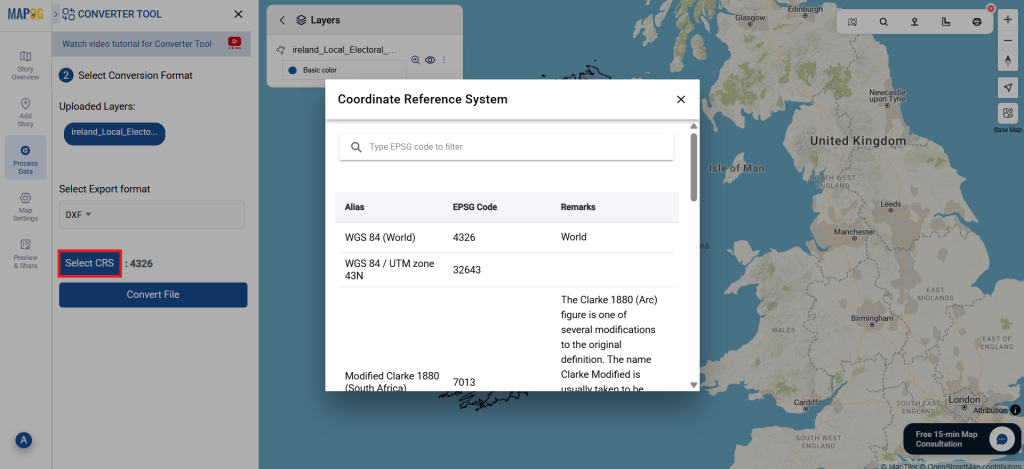
2. You can also Choose the Output Coordinate Reference System (CRS) according to your spatial analysis requirement.

SQLITE to DXF
Step 3: Execute the Conversion:

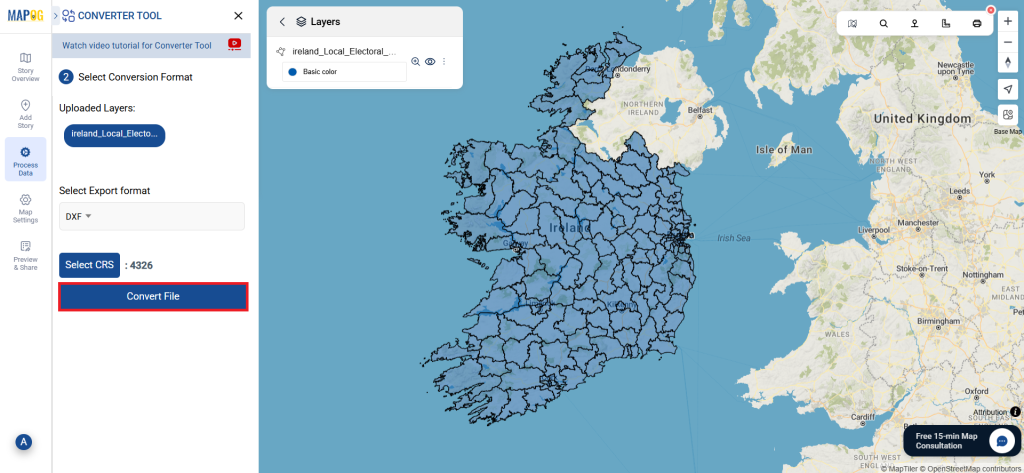
Head over to the ‘Convert Files’ section, and allow the tool to handle the conversion process for you. Just upload your SQLITE file, and the Converter Tool will seamlessly transform it into DXF format, making the conversion quick and easy.

SQLITE to DXF
Step 4: Review and Download:

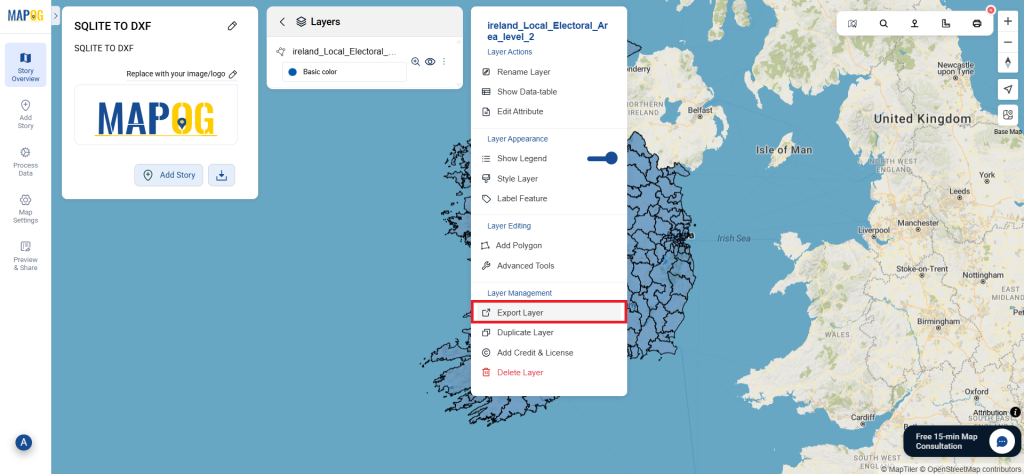
Review your converted DXF file to confirm its accuracy. After ensuring that the conversion is correct and meets your requirements, proceed to download the file. This step is crucial to validate that the conversion was successful and that your data has been accurately preserved.

SQLITE to DXF
Additional Tools for Further Analysis:

With MAPOG’s versatile toolkit, you can effortlessly upload vectors and upload Excel or CSV data, incorporate existing layers, perform polygon splitting, use the converter for various formats, calculate isochrones, and utilize the Export Tool.

These blogs may also be useful for you:

DXF to TopoJSON: Complete Guide to Online GIS Data Conversion

This guide will walk you through the process of convert DXF to TopoJSON format using the Converter Tool in MAPOG Map Analysis. Whether you’re new to MAPOG or a seasoned user, this step-by-step tutorial simplifies the conversion process, enabling you to effortlessly convert your DXF file into TopoJSON format with ease and confidence.

What is DXF Data Format:

DXF is short for Drawing Exchange Format or Drawing Interchange Format and is a type of vector file. Engineers, designers and architects often use the DXF format for 2D and 3D drawings during product design. This data format can be used in case of analyzing the maps. It can be of many types like point, line and polygon or any boundaries.

Online GIS Data Conversion

Converting DXF Data into TopoJSON Format:

The Converter Tool in MAPOG Map Analysis allows users to easily convert data from one format to another based on their specific needs. This feature streamlines the process of transforming data for various GIS applications, offering flexibility and efficiency in handling multiple formats. In this instance, DXF data is being converted to TopoJSON format using MAPOG’s Converter Tool. This conversion reduces file size while preserving key geographic details, making the data more suitable for web-based mapping and interactive applications, ultimately improving workflows and GIS data usability.

Steps For Converting DXF to TopoJSON

Step 1: Upload Your Data:

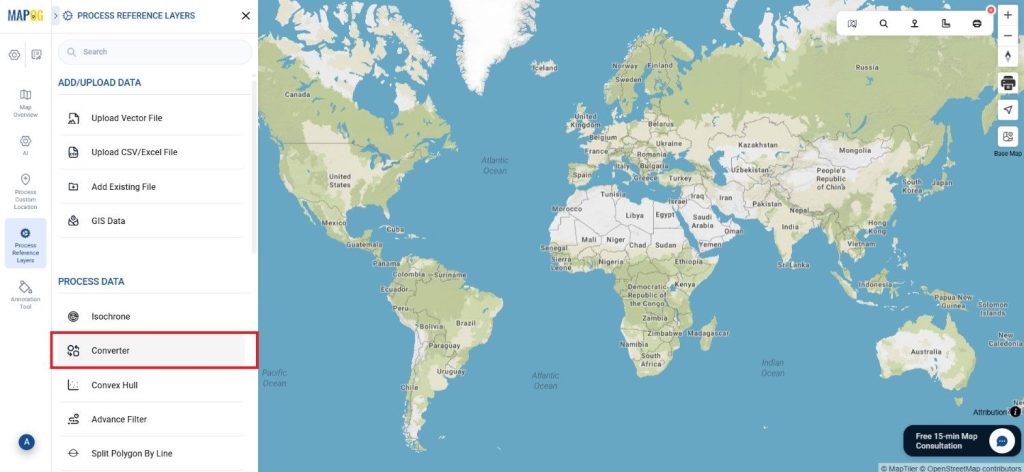
1. Navigate to “Process Data” and select the “Converter Tool” option.

Converting DXF to TopoJSON Online
Choose the converter tool

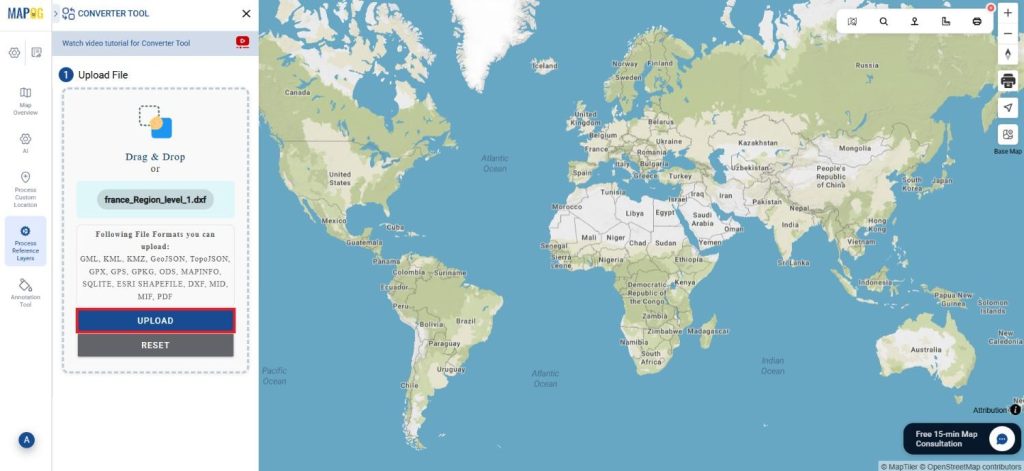
2. Upload your DXF file. This is where you begin by supplying the data that you want to convert.

Converting DXF to TopoJSON Online
Upload the data


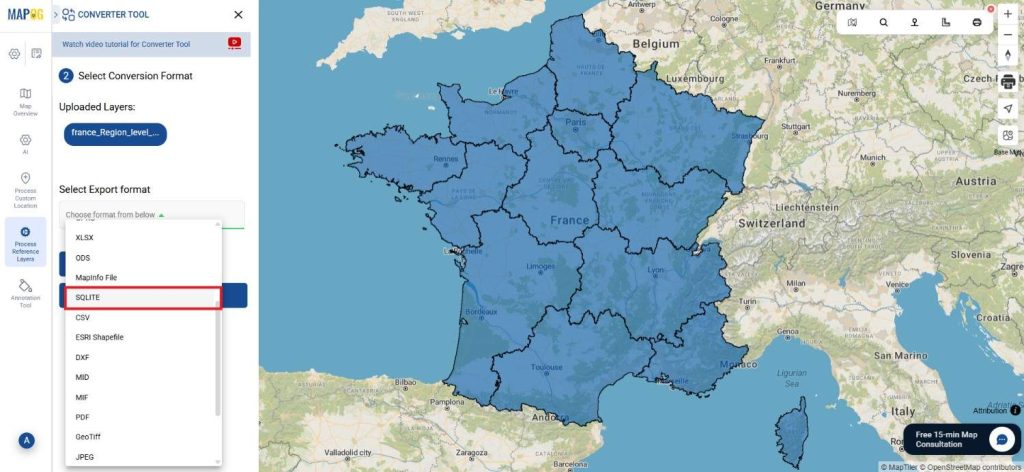
Step 2: Select the Output Format:

  1. Choose TopoJSON as your desired output format if your goal is to export only the data. While the tool offers multiple format options, this guide is specifically designed to walk you through converting your file to TopoJSON.
Converting DXF to TopoJSON Online
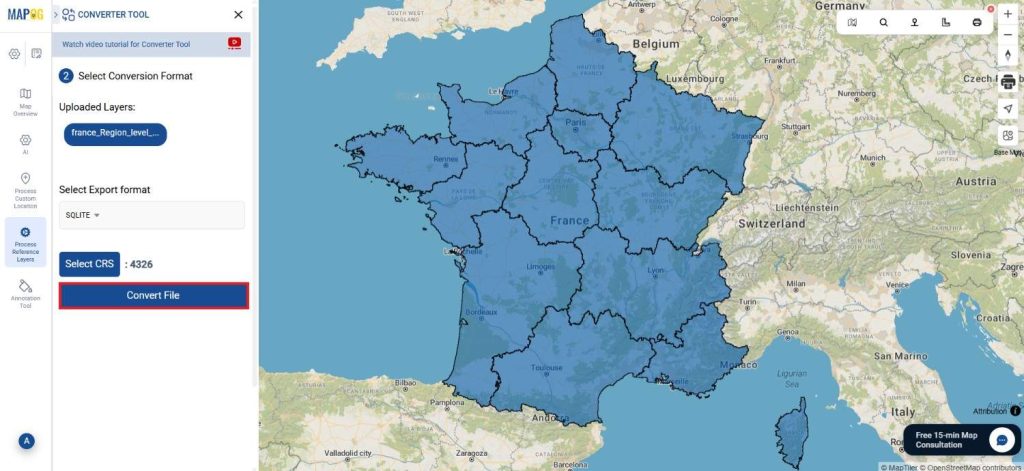
Choose the format

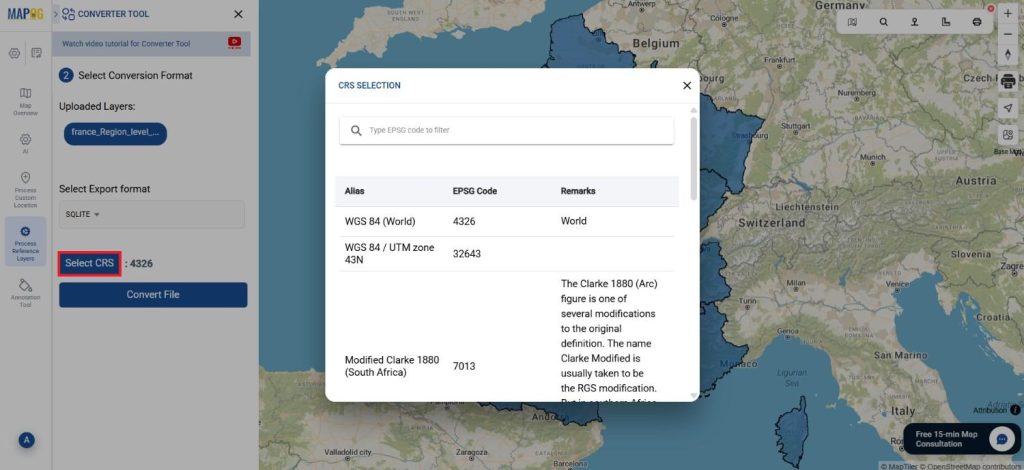
2.You can also set the Output CRS as per your spatial analysis.

Converting DXF to TopoJSON Online
Set the CRS

Step 3: Run the Conversion:

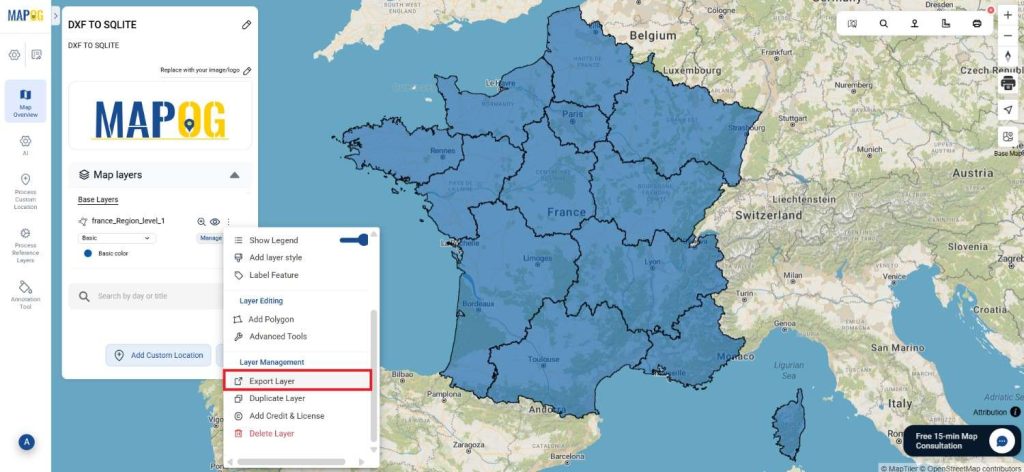
Navigate to ‘Convert Files’ and let the tool do the rest. By simply providing your data, the Converter Tool handles the entire process of transforming your DXF file into TopoJSON format.

Converting DXF to TopoJSON Online
Convert the file

Step 4: Verify and Download:

Check your converted TopoJSON data to ensure everything looks correct. Once you’re satisfied with the results, proceed to download the file. This step is crucial to confirm that the conversion was successful and that your data remains intact.

Converting DXF to TopoJSON Online
Review and download the data

MAPOG Map Analysis also offers various tools to enhance your work. For example, the Clip Tool enables you to cut down your data, the Basic Style Tool helps you apply styles to numeric data, and the Create Point Tool allows you to add point data to your map.

Story by MAPOG:

The Story Map feature in MAPOG allows users to create visually engaging, map-based narratives by combining geospatial data with text, images, and multimedia. It can be applied across various fields like urban planning, tourism, education, and environmental conservation. With its interactive and customizable capabilities, Story by MAPOG provides dynamic insights into specific locations or topics, making it easy to communicate complex spatial information in a clear and engaging way. This tool is ideal for professionals, educators, and students to explore and share geographical data in a user-friendly format.

Feature Tools include:

You might also find these blogs helpful:

Convert DXF to JPEG Online – Easy Step-by-Step Guide
In this tutorial, we’ll walk you through the process of convert DXF to JPEG format using the Converter Tool in MAPOG. Whether you’re new to MAPOG or have some experience, this easy-to-follow guide will help you confidently convert your DXF files to JPEG.

What is DXF Data Format:

DXF is short for Drawing Exchange Format or Drawing Interchange Format and is a type of vector file. Engineers, designers and architects often use the DXF format for 2D and 3D drawings during product design. This data format can be used in case of analyzing the maps. It can be of many types like point, line and polygon or any boundaries.

 Online GIS Data Conversion
Converting DXF Data into JPEG Format:

MAPOG offers a versatile Converter Tool, allowing users to easily convert data between formats to meet their specific needs. This tool streamlines the process of adapting data for a wide range of GIS applications, ensuring both flexibility and efficiency when managing different file types. For instance, MAPOG’s Converter Tool can convert DXF data into JPEG format, effectively reducing file size while preserving essential geographic details. This makes the data better suited for online mapping and interactive platforms. Ultimately, this enhances workflows and greatly improves the overall usability of GIS data.
Steps for Converting DXF to JPEG

Step 1: Upload Your Data:
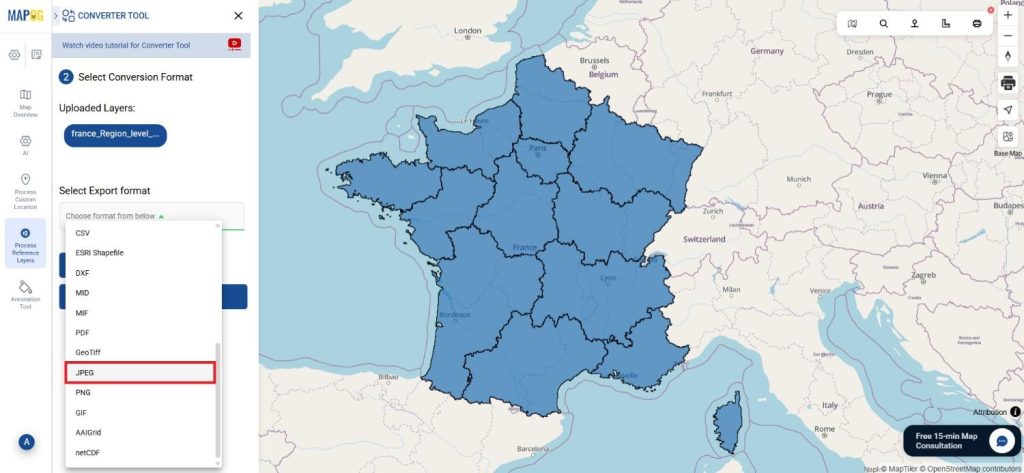
  1. Go to “Process Reference layers” and choose the “Converter Tool” option.

2.Upload your DXF file to start the conversion process by providing the data you wish to transform.

Step 2: Choose the Output Format:
  1. Select JPEG as the output format to export your data. Although the tool offers several format options, this guide focuses specifically on converting your file to JPEG.

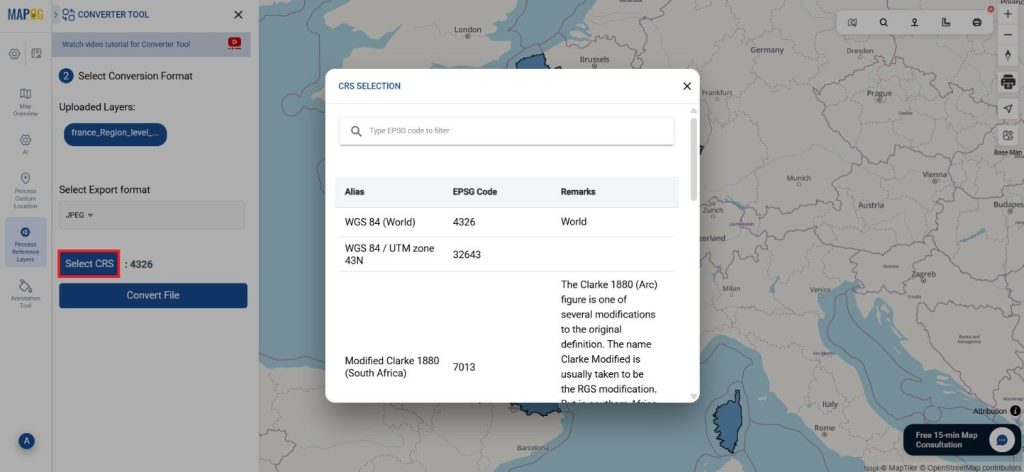
2. You can also set the Output CRS according to your spatial analysis requirements.

Step 3: Run the Conversion:

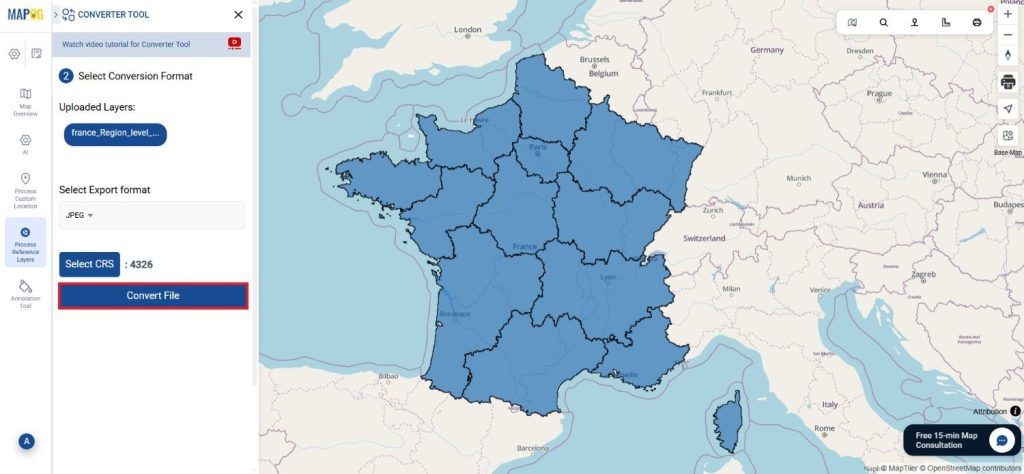
Head over to ‘Convert Files’ and let the tool handle the conversion for you. Just upload your data, and the Converter Tool will automatically take care of converting your DXF file into JPEG format, making the process seamless and efficient.

Step 4: Review and Download:

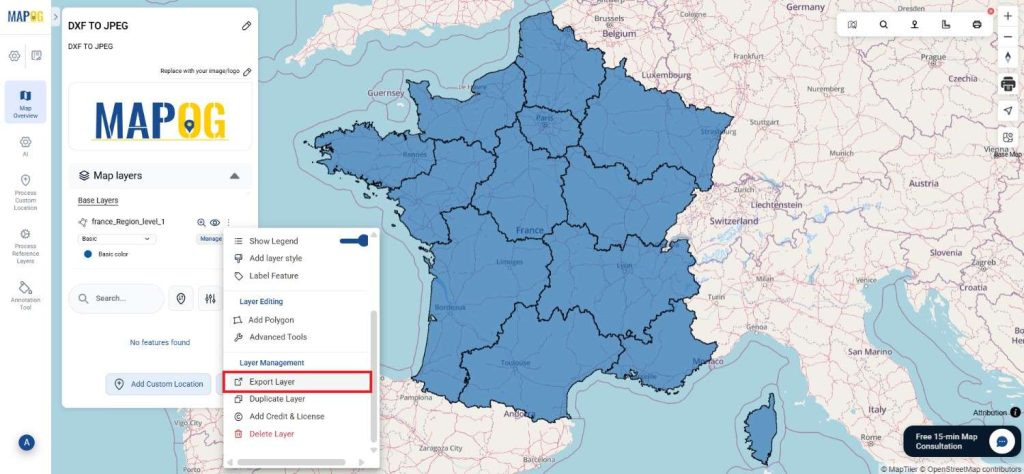
Review your converted JPEG data to verify its accuracy. Once you are satisfied with the results, download the file. This step ensures that the conversion was successful and that your data is correctly preserved.

Result:

You’ve successfully converted DXF to JPEG using MAPOG’s straightforward tools. This process not only simplifies your data management but also enhances the versatility of your data across different GIS platforms. For assistance or inquiries, contact us at support@mapog.com. Happy mapping!

With MAPOG’s versatile toolkit, you can effortlessly upload vectors and upload Excel or CSV data, incorporate existing layers, perform polygon splitting, use the converter for various formats, calculate isochrones, and utilize the Export Tool.

Use MAPOG for mapping and visualizing data across all domains. Its tools make analysis easy and accurate. Convert files to get data in the format you need.

Here are some other blogs you might be interested in:
💬 Book a Meeting